



If you are booking full truckload shipping in the USA, chances are you have seen wildly different quotes for the same lane. One broker says $2.20 per mile, another quotes $3.10, and you are left wondering what you should actually be paying. The reality is that FTL shipping cost in the USA is not random. It is driven by specific factors that most shippers do not fully understand, and that knowledge gap is exactly what costs businesses money on every shipment they book. In this guide, we break down real truckload costs for 2026, explain what actually drives your rate up or down, and show you how to stop overpaying on lanes you ship regularly. All of this is grounded in real-world experience from the team at S&S Brokerage Inc., a New Jersey-based logistics company with over 20 years of combined industry experience moving freight across 48 states. Whether you are evaluating your first full truckload shipping services arrangement or renegotiating an existing contract, understanding what drives FTL pricing is the most valuable thing you can do for your freight budget this year.
What Is FTL Shipping Cost in the USA and How Is the Calculated?
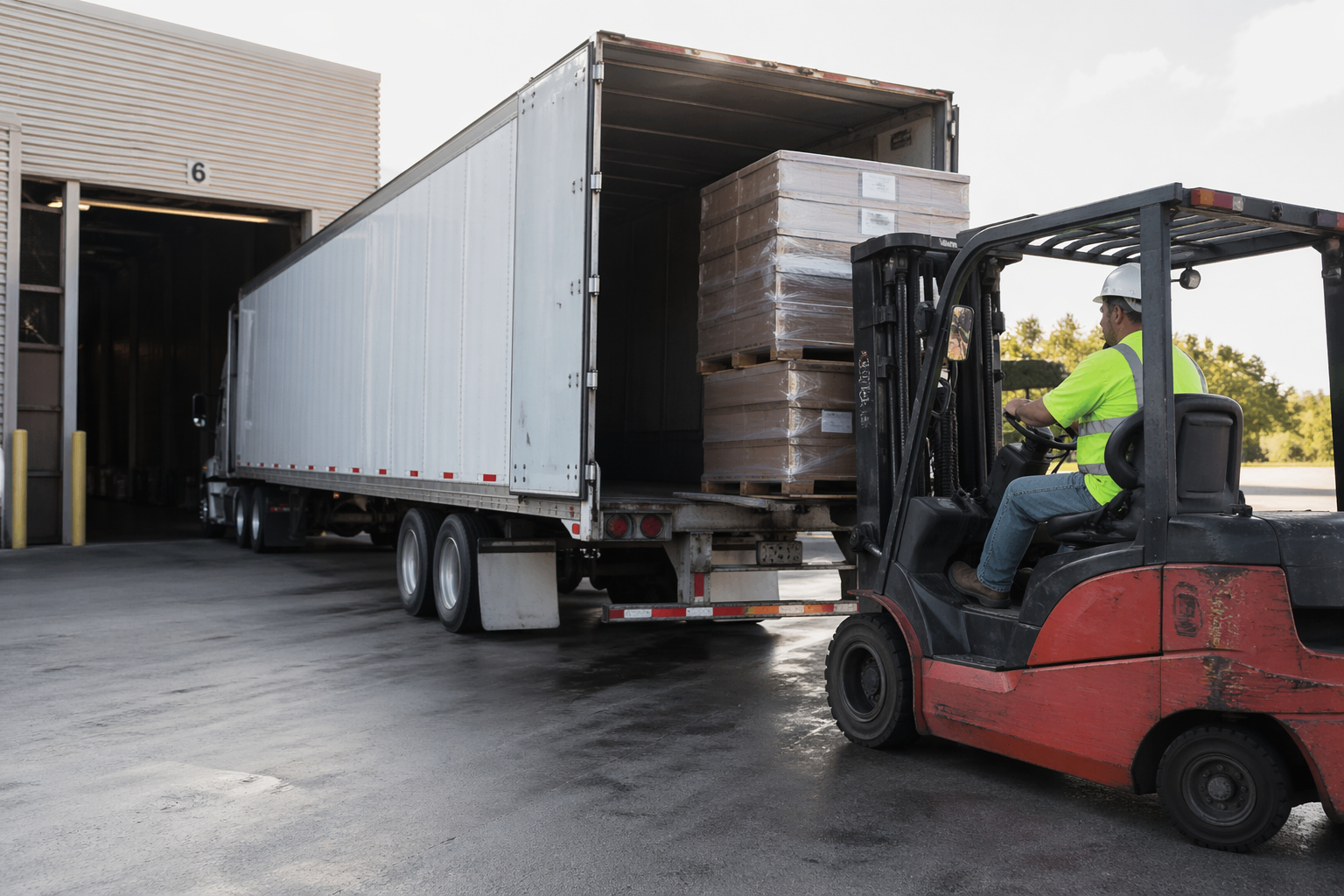
FTL stands for Full Truckload. When you book an FTL shipment, you reserve the entire trailer for your freight. The driver picks up your load and delivers it directly to the destination, with no intermediate stops at carrier terminals and no other shippers sharing the space. You pay a flat rate for the trailer regardless of whether you fill it completely. This is why FTL only makes economic sense when you have enough freight to justify that flat rate, typically 14 or more pallets, or around 10,000 pounds or more.
How FTL Rates Are Structured
FTL shipping cost in the USA is primarily quoted as a rate per mile. That per-mile rate is applied to the total distance of your lane to produce the base freight charge. On top of the base rate, carriers apply a fuel surcharge, and in some cases accessorial charges for situations like driver detention, limited access delivery, or specialized equipment requirements. The formula is simple on paper: rate per mile multiplied by total miles equals base freight cost. But the rate per mile is shaped by a complex set of market variables, which is why two brokers can legitimately quote you very different numbers for the exact same shipment. If you are comparing FTL to other shipping modes, see our LTL vs FTL cost comparison guide for a side-by-side breakdown that includes real cost scenarios and a decision framework.
Why Understanding FTL Shipping Cost in the USA Matters for Your Business
Freight is one of the largest variable expenses for manufacturers, distributors, importers, and e-commerce businesses. A rate that is 20 percent above the market average on a lane you use ten times a month translates into thousands of dollars in unnecessary spend every quarter. But overpaying is only one side of the problem. Booking at an artificially low rate because a broker cut corners on carrier selection often results in late deliveries, damaged freight, or carriers who go dark mid-shipment. In freight, the cheapest quote is not always the best deal.
Understanding what drives FTL shipping costs in the USA helps you:
- Recognize when a quote is fair versus when you are being overcharged
- Negotiate more effectively with carriers and brokers on high-volume lanes
- Time your shipments to avoid seasonal rate spikes
- Choose the right equipment type for each shipment
- Build a freight budget that reflects actual market conditions
For New Jersey-based shippers specifically, understanding how LTL shipping rates from New Jersey compare to FTL pricing on the same lanes can reveal significant cost-saving opportunities.
2026 FTL Shipping Rate Benchmarks by Lane: What the Market Looks Like
Before diving into the variables that drive rates, it helps to anchor your expectations with real numbers. The table below shows estimated 2026 FTL rates per mile and all-in costs for major U.S. lanes. These figures apply to standard dry van shipments under typical market conditions and include fuel surcharge estimates. They exclude peak-season adjustments, which are covered later in this guide.
| Origin to Destination | Miles (Approx.) | Rate Per Mile (2026 Est.) | All-In FTL Cost Estimate |
| NJ / NY to Chicago, IL | ~790 | $2.10 – $2.80 | $1,660 – $2,210 |
| NJ / NY to Atlanta, GA | ~870 | $2.20 – $2.90 | $1,910 – $2,520 |
| NJ / NY to Dallas, TX | ~1,540 | $2.30 – $3.00 | $3,540 – $4,620 |
| NJ / NY to Los Angeles, CA | ~2,800 | $2.50 – $3.30 | $7,000 – $9,240 |
| Chicago, IL to Dallas, TX | ~920 | $2.00 – $2.70 | $1,840 – $2,480 |
| Miami, FL to NJ / NY | ~1,280 | $2.20 – $3.00 | $2,820 – $3,840 |
| Los Angeles, CA to Seattle, WA | ~1,140 | $2.10 – $2.80 | $2,390 – $3,190 |
| Houston, TX to Chicago, IL | ~1,090 | $2.00 – $2.70 | $2,180 – $2,940 |
| Atlanta, GA to Los Angeles, CA | ~2,180 | $2.40 – $3.20 | $5,230 – $6,980 |
Note: Rates shown are estimated 2026 ranges for standard dry van equipment. Reefer, flatbed, and specialized trailers command premiums above these benchmarks. Fuel surcharges of 15 to 28 percent are built into the all-in estimates. Always request a current quote for your specific lane and shipment date. For broader industry context on truckload market conditions in 2026, the American Trucking Associations annual freight data provides useful benchmarks on capacity, volume, and rate trends across the U.S. market.
What Actually Drives FTL Shipping Rates Per Mile in the USA
The rate per mile you receive is not arbitrary. It reflects how multiple market and shipment-specific variables interact at the moment you book. Here is a structured breakdown of the most important ones.
| Pricing Factor | Typical Rate Impact | Shipper Control Level |
| Distance and lane balance | Longer haul = lower per-mile rate | Low |
| Fuel surcharge | Adds 15% to 28% on base rate | Low (market-driven) |
| Backhaul availability | Strong backhaul = lower rate | Medium (timing helps) |
| Commodity / freight type | Hazmat, oversized = premium | Medium (packaging choices) |
| Equipment type | Reefer 15-25% above dry van | High (match to freight) |
| Seasonal peak demand | Q4 spikes 20% to 40% above Q2 | High (plan timing) |
| Spot vs contract rate | Contract 10-20% below spot | High (volume commitment) |
| Broker vs direct carrier | Broker network = competitive access | High (partner choice) |
Lane Balance and Backhaul Availability
One of the most underappreciated rate drivers is whether carriers have freight moving in both directions on a lane. When a carrier drops a load in Dallas and needs to reposition an empty truck back to Chicago, they are motivated to take a return load at a lower rate to offset their repositioning cost. This is called a backhaul, and lanes with strong backhaul availability consistently produce lower inbound rates than lanes where trucks routinely run empty in one direction. Experienced brokers know which lanes carry strong backhaul markets and can leverage that intelligence to find better pricing for their clients.
Fuel Surcharges in 2026
Fuel surcharges are recalculated weekly by most carriers based on the national average diesel price. In 2026, fuel surcharges on FTL shipments typically add between 15 and 28 percent on top of the base linehaul rate. This is a significant addition that shippers often overlook when comparing quotes. A carrier quoting $2.00 per mile with a 22 percent fuel surcharge is delivering an effective all-in rate of $2.44 per mile. Always ask for the total delivered cost, not just the linehaul rate, when comparing options. Fuel surcharge percentages are calculated from the U.S. Energy Information Administration weekly diesel price index, which is updated every Monday. Shippers who track this index can anticipate when surcharges are likely to increase and time bookings accordingly.
Equipment Type and Its Impact on FTL Cost
Standard dry van trailers are the baseline for FTL pricing. If your freight requires refrigerated transport, flatbed equipment, or specialized trailers, expect a rate premium above the benchmarks in the table above. Refrigerated loads typically run 15 to 25 percent above dry van rates on the same lane. Flatbed loads carry a similar or slightly higher premium depending on region and season. Oversized loads requiring permits add both cost and transit time. If your shipment involves non-standard equipment, visit our specialized freight services page to see what options S&S Brokerage can arrange for flatbed, reefer, and heavy-haul needs.
Spot Rate vs Contract Rate: The Biggest Lever You Control
One of the most significant decisions affecting your FTL shipping cost in the USA is whether you are buying at the spot rate or under a negotiated contract arrangement. This distinction matters more than most shippers realize.
| Spot Rate | Contract Rate | |
| Definition | Market price at time of booking | Negotiated rate for a defined period |
| Best for | Infrequent or unpredictable shipments | Consistent, high-volume lanes |
| Rate level | Volatile, rises sharply in peak season | Stable, 10-20% below spot on busy lanes |
| Flexibility | High, no volume commitment | Lower, volume commitment expected |
| Risk | Rate spikes in Q4 can be severe | Carrier may deprioritize in tight markets |
| 2026 best use | One-off or seasonal shipments | Regular weekly or monthly lanes |
Spot rates reflect real-time supply and demand. When carrier capacity tightens, spot rates spike. When the market softens, they drop. Contract rates deliver predictability in exchange for volume commitment on defined lanes. For businesses with consistent freight patterns, even a partial contract arrangement on their highest-volume lanes produces meaningful savings over paying spot on every shipment throughout the year.
Seasonal Demand and Peak-Period Premiums
FTL shipping cost in the USA does not stay flat across the calendar year. The freight market follows well-established seasonal patterns that every shipper should build into their planning:
- Q4 peak (October through December): Carrier capacity tightens as retail, e-commerce, and holiday fulfillment demand surges simultaneously. Spot rates can increase 20 to 40 percent above Q1 or Q2 levels.
- Spring surge (March through May): Agricultural freight and post-winter restocking create a secondary demand spike that pushes rates higher than the winter lull.
- Summer softness (July through August): Traditionally lower demand creates some of the best spot rate windows of the year for shippers with flexible timing.
- Post-holiday correction (January through February): Rates soften sharply after the holiday peak as retail volumes collapse and carrier supply catches up to demand.
Shippers who understand these patterns can time non-urgent freight to avoid the most expensive periods and lock in contract rates before the market tightens going into Q4.
Common Mistakes That Lead to Overpaying on FTL Freight Cost in the USA
Comparing Base Rates Without Including Fuel Surcharges
This is the most frequent apples-to-oranges mistake in FTL pricing. Two brokers quoting $2.10 and $2.40 per mile may arrive at the same all-in cost once each applies their respective fuel surcharge calculation. Always compare total delivered cost, not just the linehaul rate.
Using a Single Carrier or Broker for All Lanes
Businesses that route all FTL lanes through one carrier or one broker typically pay above-market rates because there is no competitive pressure. Carriers have little incentive to sharpen their pricing when they know you are not evaluating alternatives.
Working with a freight broker who maintains relationships across a broad carrier network gives you access to a competitive market on every shipment rather than one carrier’s fixed rate schedule.
Paying Spot Rates on Consistent Lanes
If you ship the same lane every week or month at spot market rates, you are almost certainly overpaying. Even informal rate agreements with carriers on high-frequency lanes can produce savings of 10 to 20 percent compared to booking fresh at the spot rate each time.
A broker can help you identify which of your lanes have enough volume to support a negotiated arrangement and structure that conversation with the right carriers.
Not Accounting for Detention Charges
FTL rates are simpler than LTL in terms of accessorial charges, but detention is a real and recurring cost that many shippers absorb unnecessarily. If your loading or unloading operations regularly exceed two hours, detention charges accumulate at $50 to $100 per hour beyond the free time window.
Improving dock scheduling and load preparation eliminates most detention costs, which have nothing to do with the freight rate and everything to do with internal operations.
For a comprehensive look at freight cost optimization strategies that go beyond rate negotiation, see our dedicated guide on reducing total freight spend across LTL and FTL shipments.
Real-World FTL Cost Scenarios: What Shippers Are Actually Paying
Scenario 1: The Manufacturer Paying $0.60 Per Mile Too Much
A mid-sized auto parts manufacturer in New Jersey was shipping weekly FTL loads to a distribution center in Chicago at a negotiated rate of $2.90 per mile. They had been with the same carrier for two years and considered it a locked-in, stable arrangement.
When they brought the lane to S&S Brokerage for a review, two problems appeared immediately. First, the Chicago lane is a well-established backhaul corridor for several Midwest-based carriers, which meant competitive rates were available well below their current arrangement. Second, the carrier had gradually increased their fuel surcharge calculation by three percentage points without clearly flagging the change.
After a competitive lane analysis, S&S established a new arrangement with a regional carrier specializing in the Northeast to Midwest corridor. The manufacturer moved to an all-in rate of $2.28 per mile on the same lane. On a weekly shipment of approximately 850 miles, that difference saved them just over $530 per load, or roughly $27,000 per year on a single lane.
Scenario 2: The Importer Who Timed Shipments to Avoid Q4 Premiums
A New Jersey-based consumer electronics importer was receiving container inventory at port and shipping FTL loads to retail distribution centers across the Southeast and Midwest. Their shipping pattern had historically clustered in October and November, which aligned with their product release cycle.
Working with S&S Brokerage, they analyzed their delivery requirements and found that most retail partners had flexible receiving windows of two to three weeks. By advancing their inventory pull-forward by three to four weeks, they shifted the majority of their FTL moves from the October to November peak window into September, where spot rates on their primary lanes were running 25 to 30 percent lower.
The inventory carrying cost for the additional warehouse time was a fraction of the freight savings. Their annual FTL spend on those lanes decreased by approximately 18 percent simply by adjusting the shipment calendar.
Both of these businesses moved freight regularly from New Jersey. For more information on how S&S Brokerage manages shipping from New Jersey to major U.S. destinations, visit our regional freight services page.
Why Shippers Trust S&S Brokerage Inc. for FTL Freight Cost Optimization
S&S Brokerage Inc. is a New Jersey-based freight brokerage with over 20 years of combined industry experience, operating across all 48 contiguous states. The company maintains a vetted carrier network covering dry van, reefer, flatbed, and specialized equipment across both regional and national lanes.
Here is what makes S&S a genuinely useful partner when it comes to managing FTL shipping cost in the USA:
Lane Intelligence on Both Sides of Every Route
The S&S team tracks lane-level rate trends and carrier capacity across the national freight market. When you share a lane, they already know whether it is a strong backhaul corridor, what the current spot rate range looks like, and which carriers are actively positioned to service it. That intelligence translates directly into better pricing for clients.
Carrier Competition on Every Load
Rather than routing your freight to a single preferred carrier, S&S shops every FTL shipment across their carrier network to find the best combination of price and service for your specific lane and timeline. This competitive approach consistently delivers rates below what shippers achieve by going direct to a single carrier.
Transparent All-In Quoting
S&S provides quotes that include the base linehaul rate and fuel surcharge from the start. The rate you agree to is the rate that appears on your invoice, with clear documentation of every component. No hidden additions after the booking is confirmed.
Spot and Contract Rate Expertise
For shippers with consistent lane volumes, S&S can help structure contract arrangements that lock in favorable rates before the market moves against you. For infrequent shipments, the team accesses the spot market with the advantage of carrier volume relationships that individual shippers cannot match independently.
Dedicated Service with Real Accountability
Clients have a dedicated point of contact who knows their freight profile, their lanes, and their operational requirements. When the market is tight and a shipment needs to move, that relationship matters. There are no call center interactions when something requires urgent attention.
8 Practical Tips to Reduce Your FTL Shipping Cost in the USA Right Now
These steps can be implemented starting with your next shipment and built into your ongoing freight strategy:
- Always compare all-in rates, not base rates. Ask every broker and carrier to include fuel surcharges and any applicable accessorial charges in their quote. A lower base rate with a higher fuel surcharge is not actually a better deal.
- Identify your highest-volume lanes and pursue contract rates. Even two or three consistent weekly or monthly shipments on the same lane can qualify for a negotiated rate that beats the spot market. Ask your broker what volume thresholds apply.
- Time non-urgent freight away from Q4 peak. If your freight can move in September rather than November, the rate difference can be significant. Build shipment timing flexibility into your planning wherever the supply chain allows it.
- Improve dock operations to eliminate detention charges. Review your loading and unloading processes. If trucks regularly wait more than two hours at your facility, that detention cost is avoidable and it has nothing to do with your freight rate.
- Ask your broker about backhaul opportunities on your outbound lanes. If your lane is a strong backhaul market for carriers repositioning in that direction, there may be pricing below the standard market rate available. You will not know unless you ask.
- Match equipment type to your freight requirements, not habit. If you are booking refrigerated trucks for freight that does not need temperature control because that is what you always use, you are paying a 15 to 25 percent premium unnecessarily.
- Track your per-lane rate history over time. Knowing what you have paid historically helps you recognize when a quote is out of range and negotiate from knowledge rather than assumption.
- Work with a broker who has volume across multiple carriers. A broker with significant carrier relationships gets access to rates and capacity that individual shippers cannot reach. That broker relationship pays for itself quickly on any regular freight lane.
Before booking with any new carrier directly, verify their operating authority and safety record using the Federal Motor Carrier Safety Administration carrier lookup tool, which provides publicly available safety ratings, insurance verification, and compliance history.
Conclusion: FTL Shipping in the USA Does Not Have to Be a Guessing Game
The wide range of quotes you see for the same FTL lane is not evidence that freight pricing is random. It is evidence that most shippers are not yet working with the market knowledge or broker relationships needed to consistently land at the right rate.
FTL shipping cost in the USA in 2026 is shaped by real, understandable factors: lane balance, fuel costs, equipment type, seasonal demand cycles, and whether you are buying spot or on a negotiated basis. Once you understand those factors, the pricing starts to make sense, and the overpayment stops.
S&S Brokerage Inc. helps businesses across the country navigate this market every day. With dedicated service, carrier competition on every load, and transparent all-in pricing, the team gives clients the visibility and leverage they need to make smarter freight decisions.
Whether you are moving one FTL load per month or dozens per week, the right broker relationship can make a meaningful difference in what you pay and how reliably your freight moves.
Frequently Asked Questions: FTL Shipping Cost in the USA
1. What is the average FTL shipping cost per mile in the USA in 2026?
The average FTL shipping cost per mile in the USA in 2026 ranges from approximately $2.00 to $3.30 per mile depending on the lane, equipment type, and current market conditions. Short regional hauls often carry higher per-mile rates than long-distance lanes due to fixed carrier costs spread over fewer miles. Fuel surcharges add an additional 15 to 28 percent on top of the base rate. The all-in cost for a typical dry van FTL shipment from New Jersey to Chicago, for example, runs approximately $1,660 to $2,210 under current market conditions.
2. What factors affect FTL shipping rates the most?
The most significant factors are lane distance and backhaul availability, current fuel surcharge levels based on national diesel prices, equipment type (dry van, reefer, or flatbed), seasonal demand patterns, and whether you are buying at the spot rate or under a negotiated contract. Shippers who understand these factors and work with an experienced freight broker consistently pay less than those who accept the first quote they receive without comparison.
3. Is FTL cheaper than LTL for large shipments?
FTL is typically more cost-effective than LTL once your shipment reaches 14 or more pallets or approximately 10,000 pounds or more. Below that threshold, LTL usually offers a better cost per unit shipped. The exact crossover point varies by lane and by how many accessorial charges your LTL shipment carries. A freight broker can run an accurate side-by-side comparison for your specific load profile and lane so you are comparing total costs rather than base rates.
4. What is the difference between spot rates and contract rates for FTL?
A spot rate is a one-time market price for a specific shipment based on current supply and demand. It fluctuates with the market and can spike sharply during Q4 peak season. A contract rate is a negotiated price locked in for a defined period, typically lower than spot on lanes where you commit to consistent volume. Contract rates provide pricing stability and are usually 10 to 20 percent below spot on high-frequency lanes. Businesses with regular FTL lanes benefit significantly from pursuing contract arrangements.
5. How can I reduce my FTL shipping costs in 2026?
The most effective approaches are comparing all-in rates across multiple carriers rather than accepting the first quote, pursuing contract rates on lanes you use consistently, timing non-urgent shipments away from Q4 peak season, improving dock operations to eliminate detention charges, and working with a freight broker whose carrier volume relationships deliver better rates than individual shippers can access on their own. Even modest improvements across each of these areas compound into significant annual savings.
6. Why do FTL quotes vary so much for the same lane?
FTL quotes vary because each carrier prices based on their own capacity position, backhaul availability, and current load commitments at the time of booking. A carrier who needs to reposition a truck back through your lane may quote $0.40 to $0.60 per mile below a carrier who has no freight moving in that direction. Brokers with broad carrier relationships can access these favorable positions and pass the pricing advantage to the shipper. The legitimate spread between the highest and lowest quote on the same lane at the same time can easily be 25 to 40 percent.
7. Does S&S Brokerage handle FTL shipments from New Jersey to all 48 states?
Yes. S&S Brokerage Inc. manages FTL freight from New Jersey and other origins to all 48 contiguous states. The company works with a vetted carrier network covering dry van, reefer, flatbed, and specialized equipment across both regional and national lanes. Whether you need a weekly contracted lane or a one-time spot shipment, the team provides competitive all-in pricing, dedicated coordination, and transparent communication throughout the shipment.
Thanks for breaking down the FTL shipping costs for 2026— it’s helpful to see how factors like fuel surcharges and seasonal demand can impact pricing. I especially appreciated the emphasis on comparing rates across different regions, as that’s something I often overlook when planning shipments. This kind of transparency really helps shippers make more informed decisions.
It’s interesting to see how much FTL shipping costs can fluctuate year to year, especially with unpredictable factors like fuel prices and demand surges. As a shipper, staying flexible with carrier options seems like it could be key to managing these costs.