



Finding the right FTL shipping partner is not just about price. It is about reliability, communication, and avoiding costly mistakes. Yet many shippers end up working with brokers or carriers who overpromise and underdeliver. In the complex world of freight transportation, a single missed pickup or delayed delivery can trigger a cascade of problems across your entire operation. In 2026, choosing the right partner can directly impact your supply chain performance. In this comprehensive guide, S&S Brokerage shares what actually matters when selecting a reliable FTL provider. If you are comparing the best FTL shipping companies USA businesses can rely on, the goal should be to look beyond rates and evaluate reliability, visibility, and service quality. The modern supply chain demands agility, transparency, and a proactive approach to problem solving. In this article, we will explore the fundamental differences between asset based carriers and freight brokers. We will outline the critical factors you must evaluate before trusting a logistics company with your valuable cargo. We will also dive into common transportation problems and provide actionable solutions to protect your bottom line. By the end of this guide, you will have a clear roadmap for identifying and partnering with top tier transportation professionals.
Understanding FTL Shipping and Why Choosing the Best Matters
The logistics industry is filled with acronyms, but understanding them is the first step to optimizing your shipping strategy. Let us break down what FTL means and why it holds such significance for growing businesses.
What Exactly is FTL Shipping?
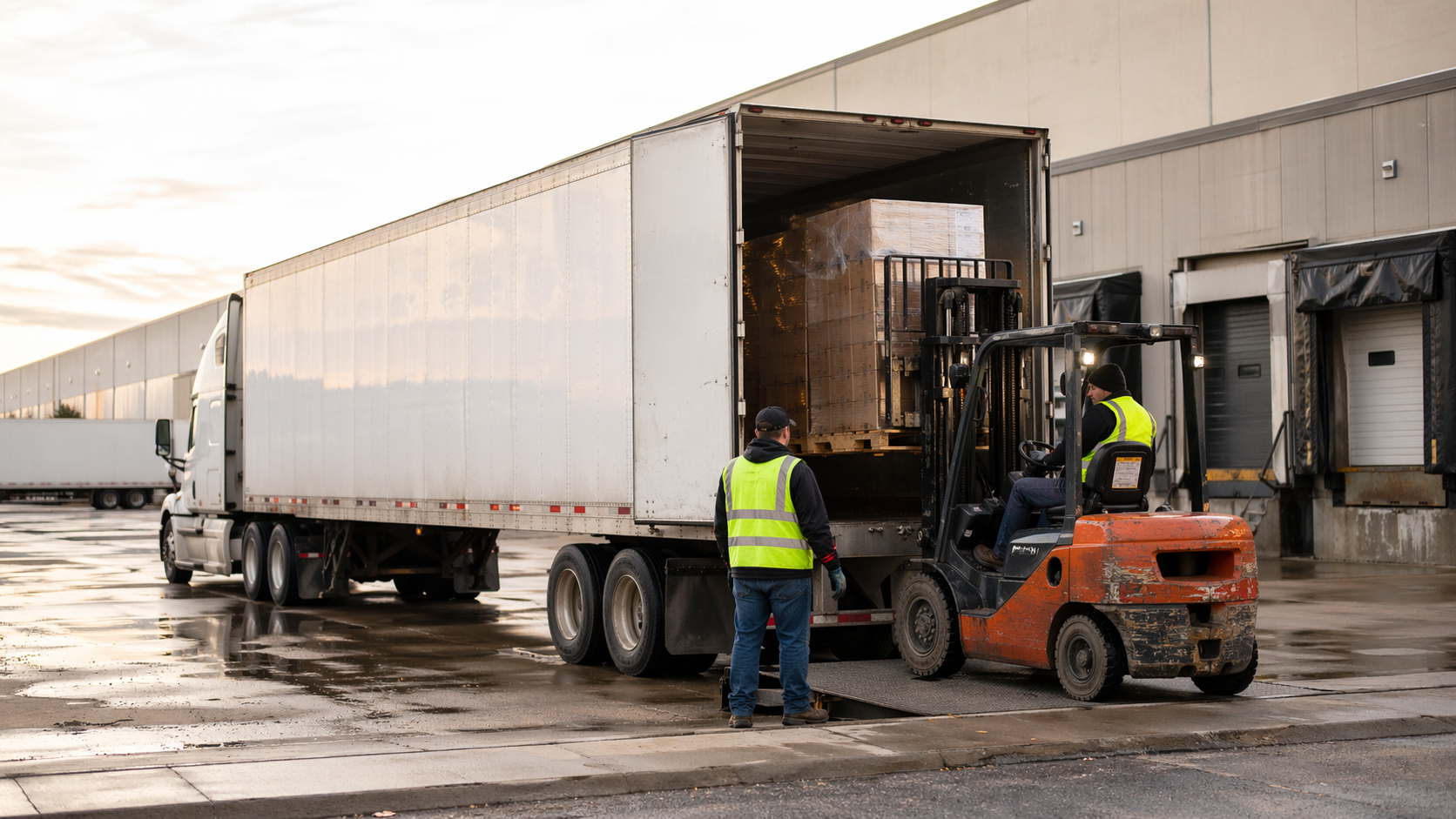
FTL stands for Full Truckload shipping. As the name suggests, this method involves dedicating an entire commercial trailer to a single shipment. Unlike Less Than Truckload or LTL shipping, where multiple companies share space on the same trailer, FTL means your freight travels exclusively by itself. Typically, an FTL shipment consists of ten or more pallets, or it weighs enough to justify the cost of the entire truck. A standard dry van can hold up to 26 standard pallets and transport approximately 44,000 pounds of cargo.
The benefits of full truckload shipping are substantial. Because the truck is dedicated to your freight, the driver travels directly from your pickup facility to the final destination. There are no intermediate stops at regional hubs to load or unload other people’s goods. This direct routing drastically reduces transit times. Furthermore, because your freight is not handled multiple times during transit, the risk of damage or loss plummets. Your goods are loaded once, the trailer doors are sealed, and they remain closed until they arrive at the receiver.
The Business Impact of Your FTL Provider
Your choice of transportation provider is not merely a logistical detail. It is a highly strategic business decision. The performance of your logistics partners directly influences your relationship with your customers. In retail environments, strict compliance programs like On Time In Full require vendors to deliver products within tight, specific windows. Failing to meet these requirements results in massive financial penalties and can even lead to a retailer dropping your product line entirely.
Working with reliable truckload carriers USA wide provides a buffer against these risks. When your transportation partner executes flawlessly, your inventory arrives on time, your manufacturing lines keep running, and your customers remain satisfied. Conversely, working with unproven or unreliable providers leads to stockouts, lost sales, and damaged brand reputation. The true cost of a cheap but unreliable truck is often far higher than the rate you initially paid.
FTL Broker vs Carrier: Which is Right for Your Supply Chain?
One of the most frequent dilemmas shippers face is deciding whether to work directly with an asset based carrier or to partner with a freight broker. Understanding the FTL broker vs carrier dynamic is essential for building a resilient supply chain.
The Asset Based Carrier Model
An asset based carrier is a trucking company that owns its own fleet of trucks and employs its own drivers. When you contract directly with a carrier, you are tapping into their specific pool of resources. This can be beneficial if the carrier has a terminal near your facility and dedicated lanes that align perfectly with your shipping routes. However, asset based carriers have a rigid, finite amount of capacity. If all their trucks are booked on a Tuesday, they simply cannot move your freight. Their primary goal is to keep their own equipment moving, not necessarily to optimize your entire supply chain.
The Freight Brokerage Model
A freight broker, on the other hand, operates an asset light model. Brokers do not own trucks. Instead, they build and maintain a massive network of thousands of vetted carriers across the country. Brokers act as intermediaries, matching your freight with the perfect carrier for that specific load. Because they are not tied to their own physical assets, brokers offer unparalleled flexibility. If one carrier experiences an equipment breakdown, a broker can immediately source another truck from their network to recover the load.
Why Many Shippers Prefer Brokers for FTL
For most businesses, partnering with top freight brokers USA offers the best of both worlds. A broker acts as a single point of contact for your entire transportation network. You do not have to manage contracts, insurance verification, and daily communication with dozens of individual trucking companies. The broker handles all the administrative heavy lifting. They negotiate rates, dispatch drivers, track the freight, and handle the billing. This allows your internal team to focus on core business operations rather than chasing down trucks.
Key Factors to Evaluate Top Freight Brokers USA Offers
Not all logistics companies are created equal. To ensure you are partnering with the best, you must evaluate them rigorously. Here are the core factors to consider when choosing a logistics partner.
Capacity and Network Size
The true value of a freight broker lies in the depth and quality of their carrier network. A broker with a small, localized network will struggle to support your national growth. You need a partner who can source capacity across all regions, even in tight markets. Ask potential partners about the size of their network and their process for onboarding new carriers. A robust network ensures that you have access to dry vans, refrigerated trucks, and flatbeds exactly when and where you need them.
Technology and Tracking Capabilities
In 2026, manual check calls and outdated spreadsheets are no longer sufficient. Supply chain visibility is a necessity. You must know where your high value freight is at any given moment. Look for a logistics provider that utilizes advanced tracking technologies, such as ELD integrations and automated location updates. This real-time coordination allows you to proactively manage your dock schedules and communicate accurate delivery ETAs to your customers. If a broker cannot provide transparent, real time tracking, they are not the right partner for a modern business.
Strict Safety and Compliance Standards
The transportation industry is heavily regulated for a reason. Safety is paramount. You must ensure that the broker you choose has a rigorous carrier vetting process. They should automatically monitor FMCSA safety ratings and verify active operating authority. Furthermore, they must ensure that every carrier in their network maintains adequate liability and cargo insurance. A diligent broker protects your business from the significant legal and financial risks associated with negligent hiring.
Communication and Dedicated Customer Service
Logistics is a 24/7 industry. Problems do not only happen during standard business hours. When a truck breaks down at two in the morning, you need a partner who is awake and handling the issue. The best logistics partners provide dedicated customer service teams. You should have a designated account representative who understands the nuances of your specific freight and your facility requirements. Excellent communication is the foundation of trust.
Common Truckload Service Problems and How to Solve Them
Even the most optimized supply chains face disruptions. The mark of a great logistics partner is how they handle adversity. Here are the most common challenges in truckload services USA businesses encounter and the strategies to overcome them.
The Ghosting Carrier Problem
There is nothing more frustrating for a warehouse manager than a truck that simply never shows up for a scheduled pickup. This phenomenon, known as ghosting, wrecks production schedules and delays final deliveries. Ghosting usually occurs when a carrier finds a higher paying load at the last minute and abandons their commitment to you. The solution is to work with brokers who implement strict performance scorecards. Reliable brokers track carrier acceptance rates and on time percentages. If a carrier develops a habit of ghosting, they are permanently removed from the network.
Hidden Fees and Rate Baiting
A major problem in the spot freight market is rate baiting. An unreliable provider will quote you an artificially low rate just to win your business. However, once your freight is in their possession, they suddenly tack on exorbitant accessorial charges. These hidden fees might include detention time, layover charges, or lumper fees that were never discussed. To avoid this trap, insist on transparent, all inclusive pricing. Work with honest partners who outline all potential accessorial costs in their contract before a single pallet is moved.
Cargo Damage and Painful Claims
Cargo damage is a massive headache. It represents a total loss of product and triggers a tedious administrative process. Preventing damage starts at the dock. Ensure your pallets are properly stacked, wrapped, and secured with load bars or straps. However, if damage does occur during transit, you need a broker who will advocate on your behalf. A good broker will assist you in gathering the necessary documentation, photos, and driver statements to file a successful claim. They will leverage their relationship with the carrier to ensure you are compensated fairly and quickly.
Real-World Scenarios: How the Best Logistics Companies USA Rescue Supply Chains
To truly understand the value of a premier transportation partner, let us examine some real world scenarios. These examples highlight how strategic logistics planning saves the day.
Scenario One: The Peak Season Capacity Crunch
A rapidly growing consumer goods brand was preparing for the fourth quarter holiday rush. They needed to secure fifty full truckloads to move inventory from their West Coast manufacturing plant to fulfillment centers across the Midwest. Their primary asset based carrier suddenly informed them that they only had trucks available for half of the required loads. Panic set in. Missing these delivery windows meant missing the entire holiday shopping season.
The brand immediately contacted a reputable freight broker. Leveraging their vast national network, the broker sourced the remaining twenty five trucks within 48 hours. They negotiated fair spot market rates and coordinated the complex loading schedule. The inventory arrived at the fulfillment centers with days to spare, and the brand achieved record breaking holiday sales.
Scenario Two: The High-Value Electronics Move
A technology company needed to transport a million dollars worth of sensitive server equipment. Standard transit times were too slow, and the risk of theft was a major concern. The goods needed to move continuously from origin to destination without ever sitting unattended in a parking lot.
A specialized broker arranged for a vetted team driver unit. In a team setup, two drivers take turns driving and resting, allowing the truck to keep moving 24 hours a day. The broker also implemented macro tracking and required mandatory check calls every four hours. The high value freight was delivered safely, securely, and completely intact. The American Trucking Associations frequently emphasize the necessity of these high security protocols for critical freight.
Scenario Three: The Perishable Produce Challenge
A regional distributor needed to move fresh produce across three state lines. The cargo required strict temperature control, meaning the refrigerated trailer had to maintain a precise 34 degrees Fahrenheit throughout the journey. A slight deviation in temperature could spoil the entire load. The distributor partnered with a broker who specialized in refrigerated freight. The broker required the carrier to provide a downloadable temperature readout from the reefer unit upon delivery, proving the cold chain was never broken. The produce arrived fresh and ready for grocery store shelves.
Actionable Tips for Securing Reliable Truckload Carriers USA Wide
Finding a great partner is only half the battle. You also have a role to play in ensuring smooth transportation operations. Implement these actionable tips to optimize your shipping processes.
First, always provide accurate and comprehensive freight data. Do not guess the weight or the pallet count. If a driver arrives and the freight is significantly heavier than stated, they may legally refuse the load, or you will be hit with hefty overage fees.
Second, prioritize lead time. In the freight industry, time is money. Giving your logistics partner three to five days of notice allows them to source the best possible carrier at the most competitive rate. Same day shipments are notoriously expensive and limit your options to whoever happens to be empty nearby.
Third, optimize your facility for drivers. Carriers remember which facilities treat them well. If you offer clean restrooms, ample turning space in your yard, and fast loading times, carriers will actively want to haul your freight. Long wait times at the dock, known as detention, frustrate drivers and cost you money.
Fourth, establish clear Standard Operating Procedures for shipping and receiving. Your dock workers should know exactly how to document loaded freight and what to look for when inspecting an empty trailer before loading.
Fifth, monitor the broader market. The freight market is cyclical and deeply impacted by global events, fuel costs, and consumer demand. By staying informed about macroeconomic supply chain disruptions, you can anticipate capacity crunches and adjust your budgets accordingly.
Finally, stop viewing transportation as a simple commodity. Start viewing your logistics providers as strategic partners. The strongest supply chains are built on mutual trust, transparent communication, and long term collaboration.
Why S&S Brokerage Inc. Ranks Among the Best FTL Shipping Companies USA Wide
If you are tired of the constant stress associated with managing freight, it is time to elevate your logistics strategy. S&S Brokerage Inc. is a premier New Jersey-based logistics company with a commanding presence across the United States. We bring over 20 years of combined industry experience to every shipment we handle.
We specialize in delivering reliable, flexible, and strictly on time transportation solutions. Whether you are an importer bringing goods through the ports or an Amazon seller managing complex fulfillment requirements, we tailor our services to fit your exact business needs. Operating across all 48 contiguous states, we provide seamless logistics support. We differentiate ourselves through our dedicated customer service model, real time shipment coordination, and an uncompromising commitment to safety and efficiency.
We do not just cover loads. We solve complex supply chain puzzles. When you partner with us, you gain an extension of your own operations team. We sweat the details so you do not have to.
Conclusion
Navigating the complex landscape of freight transportation does not have to be overwhelming. While finding the best FTL shipping companies USA markets offer requires diligence, the effort pays massive dividends. Remember that the cheapest rate is rarely the most cost effective solution in the long run. Focus on evaluating a provider’s carrier network, their technological infrastructure, and their dedication to clear communication. By understanding the advantages of the FTL broker vs carrier models, you can strategically build a logistics framework that supports your business goals. Prioritize partnerships over simple transactions, and your supply chain will become a powerful competitive advantage.
Frequently Asked Questions About FTL Shipping
Question: What does FTL stand for in the freight industry?
Answer: FTL stands for Full Truckload. This means a single shipper reserves an entire commercial trailer for their freight. It is faster and more secure than shared shipping methods because the truck travels directly from the pickup location to the final destination without intermediate handling.
Question: How much does FTL shipping typically cost in 2026?
Answer: Freight costs are highly variable and depend on several factors, including the distance of the haul, current market capacity, diesel fuel prices, and the specific equipment required. To get an accurate and competitive price, you should start by requesting a freight quote from an experienced brokerage based on your exact specifications.
Question: What is the main difference between a freight broker and an asset based carrier?
Answer: An asset based carrier physically owns the trucks and employs the drivers. A freight broker does not own trucks. Instead, brokers utilize a vast, nationwide network of independent carriers to provide flexible and scalable capacity for their clients.
Question: How can I effectively track my FTL shipment?
Answer: Industry leading freight brokers utilize advanced technology, including GPS tracking and Electronic Logging Device integrations, to provide real time visibility. Customers can usually access precise location updates through a dedicated portal or directly from their assigned account representative.
Question: Why should my business use a freight broker instead of going direct to carriers?
Answer: Brokers save your team significant time and administrative burden. They handle the extensive process of vetting carriers for safety, negotiating rates, and managing in transit issues. Their large networks provide a safety net that single carriers simply cannot match.
Question: Are my FTL shipments automatically fully insured?
Answer: All legal carriers maintain a minimum level of liability insurance. However, this base level may not completely cover the value of highly expensive freight. You should always discuss the total value of your cargo with your broker to determine if supplemental insurance is necessary.
Question: How fast is standard full truckload shipping?
Answer: Transit time is primarily dictated by distance and legal driving limits. A solo commercial driver can legally cover approximately 500 to 600 miles in a single day. For cross country or highly urgent shipments, brokers can source team drivers who keep the truck moving continuously, covering up to 1000 miles per day.
Thanks for sharing this comprehensive overview of FTL shipping companies in the USA. It’s helpful to see how carriers are adapting to meet growing demand, especially with the increasing focus on efficiency and transparency. The breakdown of different shipping options really highlights the importance of choosing the right partner based on your specific needs.