



Booking your first FTL shipment in the USA can feel overwhelming. There are carrier options to sort through, pricing structures to decode, documents to prepare, and pickup windows to coordinate – all before the truck even rolls out of your facility.
When something goes wrong in this process, it rarely stays contained. A missing document delays pickup. An incorrect freight class triggers a billing dispute. A miscommunicated delivery window means the receiver turns the truck away. What should have been a straightforward load becomes a day of firefighting.
The good news is that learning how to book an FTL shipment in the USA is not complicated once you understand the steps in order. This guide walks you through the entire FTL booking process from start to finish, with a practical checklist you can use on every shipment going forward. Whether you are shipping freight for the first time or trying to build a more consistent process, this is the guide to bookmark.
New to FTL shipping?
Download the step-by-step FTL Shipment Checklist PDF to simplify your booking process and avoid costly delays.
What Is FTL Shipping and When Should You Use It?
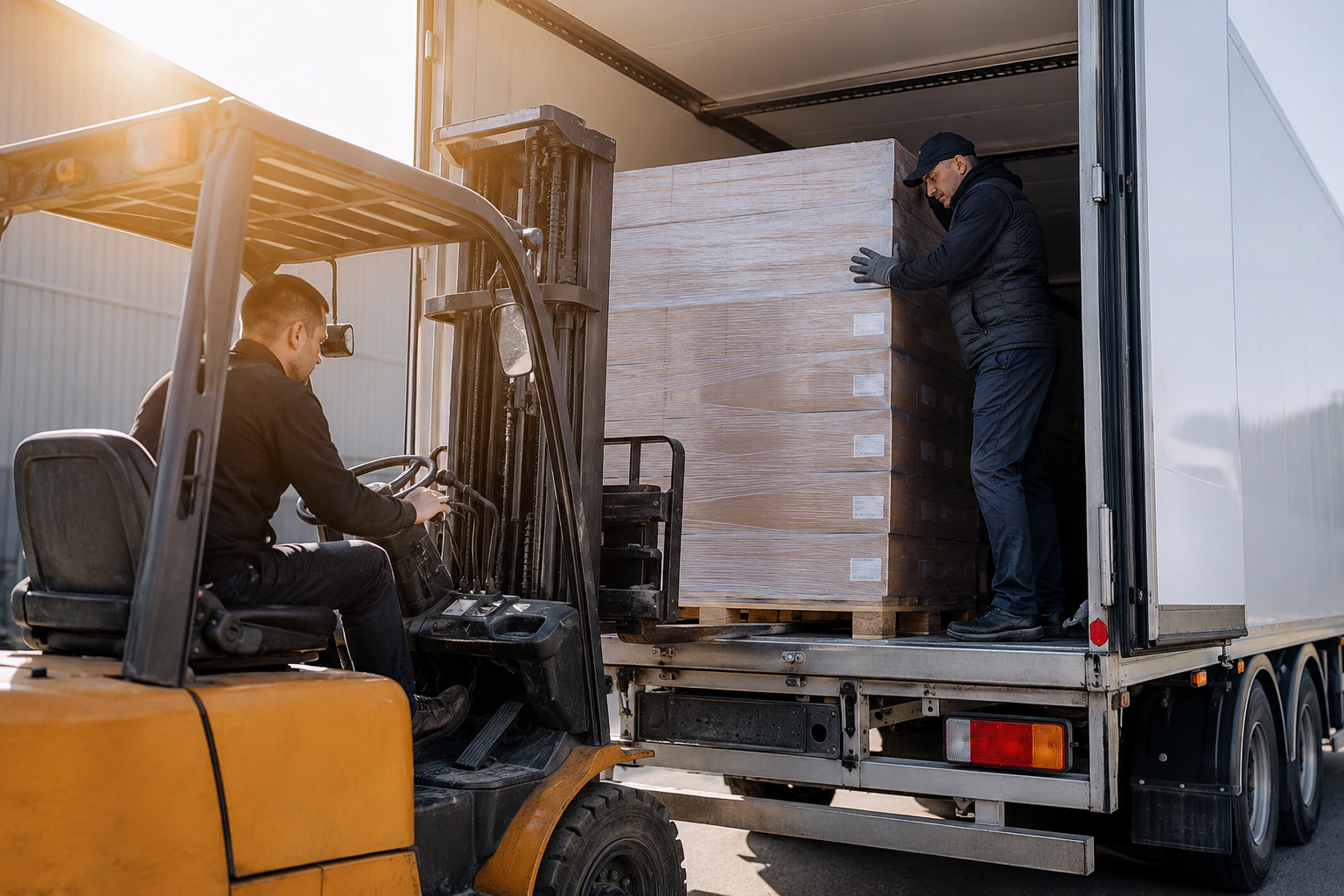
Full Truckload (FTL) shipping means your freight occupies an entire truck trailer – typically a 53-foot dry van, reefer, or flatbed. Unlike Less Than Truckload (LTL) shipping, where multiple shippers share trailer space, FTL freight goes from your pickup location directly to the destination without stops, transfers, or consolidation at freight terminals.
FTL is the right choice when:
- Your shipment fills a significant portion of a standard trailer (generally 10 or more pallets, or over 15,000 pounds)
- Your freight is time-sensitive and cannot afford terminal delays
- You are shipping fragile or high-value goods that benefit from a single-touch, direct move
- Your freight has specific handling requirements that are easier to manage without co-loading
- You need predictable, fast transit times across medium or long-haul lanes
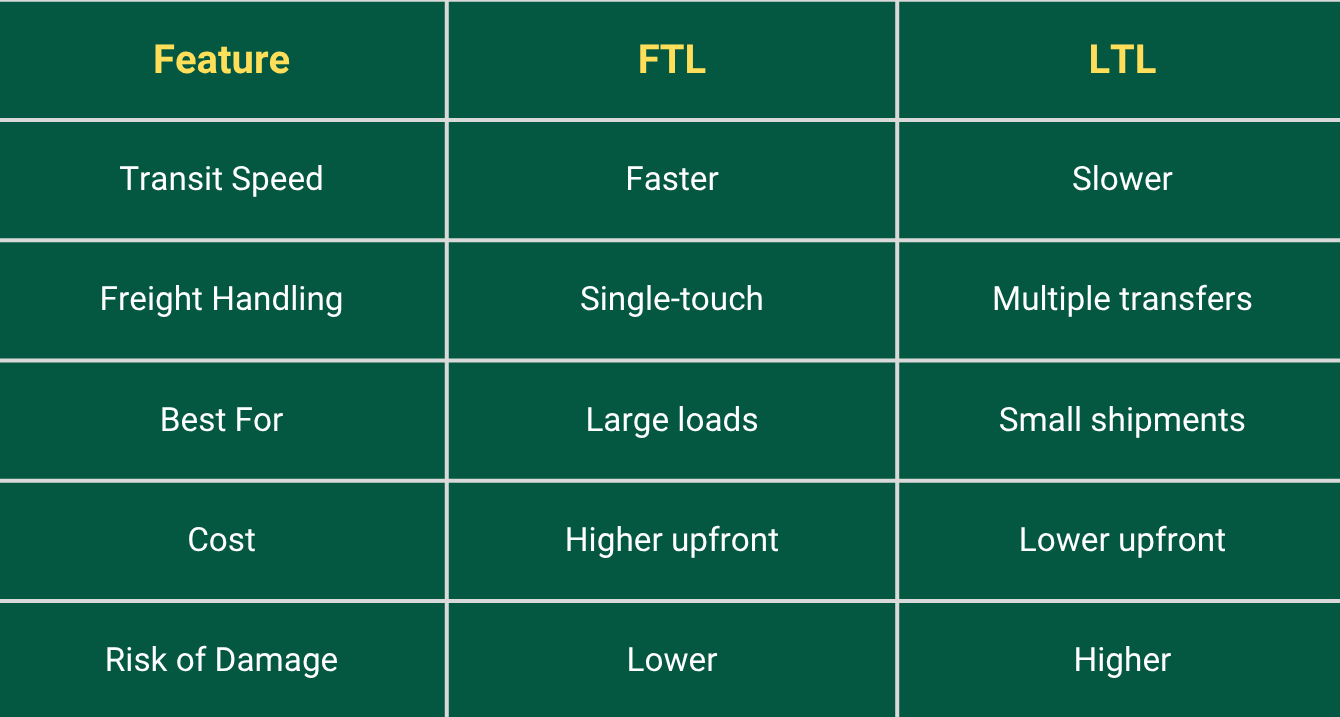
If your shipment is smaller than these thresholds, LTL may be more cost-effective. But if your volume qualifies, FTL almost always wins on speed, freight protection, and reliability.
Why Getting the FTL Booking Process Right Matters
A poorly managed booking does not just cause inconvenience – it creates measurable business costs. Carriers can charge detention fees when trucks wait beyond free time at pickup or delivery. Incorrect documentation can result in fines, customs holds, or delivery refusals. Booking the wrong equipment type means the truck may arrive and be unable to load at all.
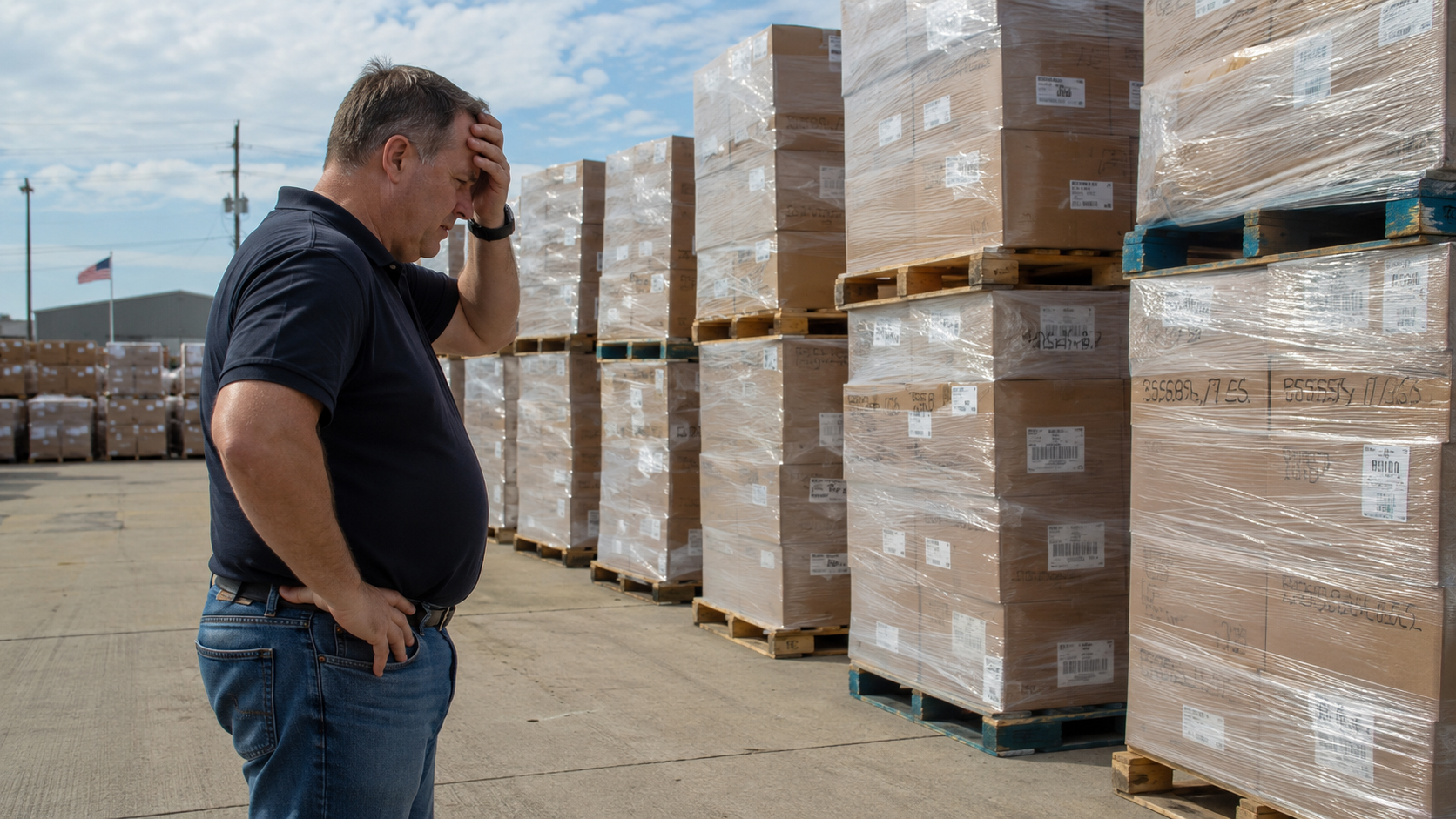
For businesses managing supply chains, Amazon FBA replenishment schedules, or just-in-time manufacturing, a single botched shipment can set off a chain of downstream disruptions. Getting the booking right the first time is always less expensive than fixing it after the fact.
This is why having a repeatable, step-by-step process for how to book FTL shipments matters – not just for first-time shippers, but for any operation that moves freight regularly.
Step-by-Step: How to Book an FTL Shipment in the USA
Step 1: Know Your Freight Before You Make a Single Call
The most common source of booking errors is incomplete freight information. Before you contact a broker or carrier, pull together the following:
- Total weight of the shipment (including pallets and packaging)
- Total number of pallets or pieces
- Dimensions of the freight (length, width, height)
- Commodity description (what the product actually is)
- Any special handling requirements (fragile, temperature-controlled, hazmat, oversize)
- Freight class if applicable (for reference, though FTL pricing is typically weight-based)
- Pickup and delivery addresses including zip codes
- Pickup date and preferred time window
- Delivery date required or preferred
Having these details ready makes your conversation with a broker or carrier faster and more accurate. It also protects you from pricing surprises – when freight details change after a quote is issued, rates can change with them.
Step 2: Choose Between a Freight Broker and a Direct Carrier
When booking FTL freight in the USA, you have two main options: work directly with a trucking company (carrier), or work through a freight broker.
A freight broker acts as an intermediary between shippers and carriers. Brokers maintain networks of vetted carriers across lanes nationwide and can typically find capacity faster than a shipper calling carriers individually. Brokers also manage much of the coordination and communication throughout the load. Going direct to a carrier makes sense if you have an established relationship with a carrier that regularly services your lanes. For shippers without those relationships – or with freight on lanes that require broader market access – a broker usually provides better results.
Step 3: Get a Quote and Understand What It Covers
When requesting a quote, be specific. Provide all of the freight information from
Step 1. Ask your broker or carrier to clarify:
- What the quoted rate includes (linehaul, fuel surcharge, any accessorials)
- What accessorial charges could apply (detention, layover, lumper, tarping if flatbed)
- The transit time estimate for your lane
- Whether the rate is binding or subject to change
FTL quotes are typically valid for a defined window – often 24 to 48 hours. Rate changes in the spot market happen quickly, so confirming and booking promptly after receiving a quote avoids repricing surprises.
Step 4: Confirm Equipment Type
Based on your freight details, confirm that the correct trailer type has been arranged. The three main options are dry van, reefer, and flatbed. If your freight has temperature requirements, confirm the reefer unit will be pre-cooled before loading. If your freight is oversized or requires permits, confirm those arrangements are in place before the truck is dispatched.
Do not assume. Equipment mismatches at the pickup appointment create delays and may result in a truck rolling without your freight if the issue cannot be resolved on the spot.
Step 5: Prepare Your Shipping Documents
Documentation is one of the most overlooked parts of the FTL booking process. Missing or incorrect paperwork can delay pickup, create billing disputes, and complicate any claims that arise after delivery.
The core documents you need for a standard FTL shipment are:
Bill of Lading (BOL): This is the primary shipping document and serves as the contract between the shipper and the carrier. It identifies the freight, the parties involved, the pickup and delivery locations, and the terms of transport. The BOL must be signed by both the shipper and the driver at pickup, and by the receiver at delivery.
Packing List: A detailed itemization of the contents of the shipment. Useful for receivers and required for some commercial freight and imports.
Proof of Delivery (POD): Signed by the receiver at delivery to confirm the freight arrived and was accepted. Retain this document – it is your primary protection in a cargo claim situation.
Commercial Invoice: Required for international shipments or cross-border moves into Canada or Mexico. Also useful documentation for high-value domestic freight.
For hazardous materials, additional documentation including shipping papers, placards, and emergency response information is required under federal regulations.
Step 6: Schedule and Confirm the Pickup Appointment
Contact the pickup location to confirm the appointment date and time, and make sure they know what to expect – the type of trailer, the expected arrival window, and any specific loading instructions.
Key things to verify:
- Does the facility have dock-height loading or floor-level access?
- Are there any restrictions on trailer length or type?
- What are the facility’s operating hours?
- Is there a specific contact person the driver should check in with?
- Is there a gate code or security check-in process?
Communicate this information to your broker or carrier before dispatch. Drivers arriving without this information can lose significant time at the facility, which can impact their hours of service and your delivery timeline.
Step 7: Confirm Delivery Appointment at the Destination
Everything you confirmed at the pickup location applies equally at the destination. Receivers – especially large distribution centers, retail warehouses, and manufacturing facilities – often book dock appointments days in advance. A truck arriving without a confirmed appointment can be turned away or forced to wait hours.
Confirm the delivery appointment before the truck is dispatched, not on the day of delivery. If there are any specific unloading requirements – such as a lumper service that needs to be arranged in advance – get that sorted before the driver arrives.
Step 8: Track the Shipment in Transit
Once your FTL shipment is in motion, maintain visibility. Ask your broker or carrier how tracking is provided – whether that is through an online portal, automated check-in calls, or direct communication from the driver.
Proactive tracking matters most on longer hauls, where delays from weather, traffic, or mechanical issues can affect your delivery window. The earlier you know about a potential delay, the more time you have to communicate with your receiver and adjust plans if needed.
Step 9: Oversee Delivery and Collect Proof of Delivery
When the truck arrives at the destination, the receiver should inspect the freight before signing the delivery receipt. Any visible damage, shortage, or discrepancy should be noted on the Proof of Delivery document before the driver leaves. A signed POD with no exceptions noted is much harder to dispute after the fact.
Collect the signed POD and retain it with your shipment file. If a claim arises later, this document is your baseline.
Step 10: Review the Final Invoice and Close Out the Shipment
After delivery, review the freight invoice against the original quote. Verify that the rate matches, that any accessorial charges are accurate, and that you have received the signed BOL and POD.
If there are discrepancies, address them promptly. Most billing disputes are easiest to resolve within the first few days after delivery, while the details are still fresh and documentation is readily available.
FTL Booking Checklist: Quick Reference
Before Booking:
| Total shipment weight confirmed | Yes/No |
| Pallet count and dimensions documented | Yes/No |
| Commodity description ready | Yes/No |
| Special handling requirements identified | Yes/No |
| Pickup and delivery addresses verified | Yes/No |
| Required pickup and delivery dates confirmed | Yes/No |
At Booking:
| Quote obtained with all-in pricing details | Yes/No |
| Equipment type confirmed | Yes/No |
| Transit time estimate noted | Yes/No |
| Accessorial charges reviewed | Yes/No |
Before Pickup:
| Bill of Lading prepared | Yes/No |
| Packing list ready | Yes/No |
| Pickup appointment confirmed with facility | Yes/No |
| Facility access and loading requirements communicated to carrier | Yes/No |
In Transit:
| Tracking method confirmed | Yes/No |
| Delivery appointment confirmed with receiver | Yes/No |
| Any special unloading requirements arranged | Yes/No |
At Delivery:
| Receiver inspects freight before signing | Yes/No |
| Any damage or shortage noted on POD | Yes/No |
| Signed POD collected and retained | Yes/No |
After Delivery:
| Final invoice reviewed against quote | Yes/No |
| Signed BOL and POD filed | Yes/No |
| Any discrepancies addressed promptly | Yes/No |
Common Mistakes First-Time FTL Shippers Make
Providing Incomplete Freight Information
Leaving out weight, dimensions, or commodity details when requesting a quote sets up problems down the line. If the actual freight differs from what was quoted, the rate can change and your pickup timeline may be affected.
Fix: Fill out your freight profile completely before contacting anyone. Use the checklist above.
Ignoring Accessorial Charges
A linehaul rate is not the total cost of the shipment. Detention fees, layover charges, lumper fees, and tarping costs can add hundreds of dollars to a load that looked affordable on paper.
Fix: Ask for a full breakdown of potential accessorials when you receive a quote. Know what triggers each charge and how to avoid them where possible.
Not Confirming Appointments at Both Ends
A truck that arrives at a facility without a confirmed appointment is a problem waiting to happen. Detention charges, turned-away trucks, and driver hours wasted at the gate are all avoidable outcomes.
Fix: Confirm appointments at both the origin and destination before the truck is dispatched. Add this to your pre-pickup checklist as a non-negotiable step.
Booking Last-Minute on Tight Lanes
The spot market rewards shippers who plan ahead. Last-minute bookings on popular lanes or during peak freight seasons result in limited carrier options and higher rates.
Fix: Build 48 to 72 hours of lead time into your booking process whenever possible. On lanes over 1,500 miles or during Q4, plan even further out.
Real-World Scenario: What Good FTL Booking Looks Like
A consumer goods importer in New Jersey was moving regular truckloads of packaged product from a West Coast port to a distribution center in the Midwest. Their previous process was ad hoc – calling around for trucks a day or two before they needed them, collecting quotes on the fly, and scrambling when capacity was tight.
After working with S&S Brokerage Inc. to build a structured booking process, they started sharing a two-week freight calendar every Monday morning. S&S used that visibility to line up carriers in advance on their primary lanes, locking in rates before spot market fluctuations could affect pricing.
The result was not just lower average rates – it was predictability. The importer could budget freight costs accurately, communicate delivery timelines to their distribution center with confidence, and stop spending hours each week chasing trucks.
Why S&S Brokerage Inc. Is Built for Shippers Like You
S&S Brokerage Inc. has spent over 20 years helping U.S. businesses move freight reliably across 48 states. Whether you are booking your first FTL shipment or trying to bring more consistency to an existing freight operation, the team at S&S is built to support both.
What makes the difference is not just carrier access – it is the process. S&S works with shippers to understand their freight, their lanes, and their operational needs before a load ever gets booked. That context allows for better carrier matching, more accurate quotes, and fewer surprises on the road.
For shippers who are new to FTL or expanding into new lanes, having a knowledgeable broker who explains the process rather than just processing transactions is genuinely valuable. Every step of the FTL booking process that this guide covers is something S&S Brokerage handles alongside you.
Actionable Tips for Smoother FTL Booking Every Time
Build a standard freight profile for each of your regular shipments. Having weight, dimensions, commodity, and handling requirements documented in advance cuts your booking time and reduces errors on every load.
Develop relationships with one or two brokers who know your freight. Volume and consistency earn better service. A broker who understands your operation will serve you better than one who sees you as a one-time transaction.
Set internal lead time rules. Decide in advance that every load over 1,000 miles gets booked at least 72 hours out. Build this into your workflow so it happens consistently, not just when you remember.
Always get the accessorial terms in writing before confirming a load. Verbal agreements on rates and charges are hard to enforce after the truck has delivered.
Keep a shipment folder for each load with the BOL, packing list, rate confirmation, and signed POD. When a billing question or freight claim comes up – and eventually one will – having organized documentation makes resolution straightforward.
Conclusion
Learning how to book an FTL shipment in the USA is one of the most valuable investments a shipper can make in their operation. The steps are not complicated, but they require attention to detail at each stage – from freight documentation to pickup confirmation to delivery oversight.
Shippers who follow a consistent booking process experience fewer delays, fewer billing disputes, and fewer cargo claims. They also build stronger relationships with carriers and brokers, which pays dividends in capacity access and pricing over time.
S&S Brokerage Inc. is here to support you through every step of that process – whether you are booking your first load or your thousandth.
Get a quote today and let S&S Brokerage handle the coordination while you focus on your business.
Frequently Asked Questions
Q1: How do I book an FTL shipment in the USA for the first time?
A: Start by pulling together your complete freight details – weight, dimensions, commodity, pickup and delivery locations, and required dates. Then contact a freight broker or carrier with that information to get a quote. Once you confirm the rate and equipment type, prepare your Bill of Lading, schedule pickup and delivery appointments, and arrange tracking for the move. This guide covers every step in detail.
Q2: What documents do I need to book an FTL shipment?
A: The core documents for a standard FTL shipment are the Bill of Lading (BOL), packing list, and Proof of Delivery (POD). Cross-border moves require a commercial invoice and customs documentation. Hazardous materials require additional regulated shipping papers and placards. Having these prepared before pickup avoids delays and protects you in case of a claim.
Q3: Should I use a freight broker or go directly to a carrier for FTL shipping?
A: For most shippers, especially those without established carrier relationships, a freight broker is the faster and more efficient option. Brokers have access to carrier networks across all U.S. lanes and handle the coordination and communication throughout the load. Going direct to a carrier makes more sense if you have a consistent lane with a carrier you already work with regularly.
Q4: How far in advance should I book an FTL shipment?
A: For standard lanes, 24 to 48 hours is the minimum recommended lead time. For lanes over 1,000 miles or during peak freight seasons like Q4, plan 72 hours to five days in advance. More lead time means better carrier options and more competitive pricing, especially in a tight capacity market.
Q5: What is a Bill of Lading and why is it important?
A: The Bill of Lading is the primary legal document in a freight shipment. It serves as the contract between the shipper and the carrier, identifies the freight being transported, and records the condition of the goods at pickup and delivery. It must be signed by the shipper at origin and the receiver at destination. Retaining your signed BOL is essential for resolving any billing disputes or cargo claims.
Q6: What are accessorial charges in FTL shipping?
A: Accessorial charges are fees added to the base linehaul rate for specific services or circumstances. Common examples include detention fees when a truck waits beyond the free time at pickup or delivery, layover charges when a driver cannot complete a delivery on the scheduled day, lumper fees for unloading labor, and tarping fees on flatbed shipments. Always ask your broker or carrier to outline potential accessorials before confirming a load.
Q7: How do I track my FTL shipment once it is in transit?
A: Tracking methods vary by carrier and broker. Ask your broker how tracking is provided before the truck is dispatched -options include online portals, check-call updates from the driver, or direct communication from a dedicated coordinator. For long-haul shipments, daily check-ins are standard practice. Working with a broker who provides proactive communication ensures you hear about delays before they become problems.