



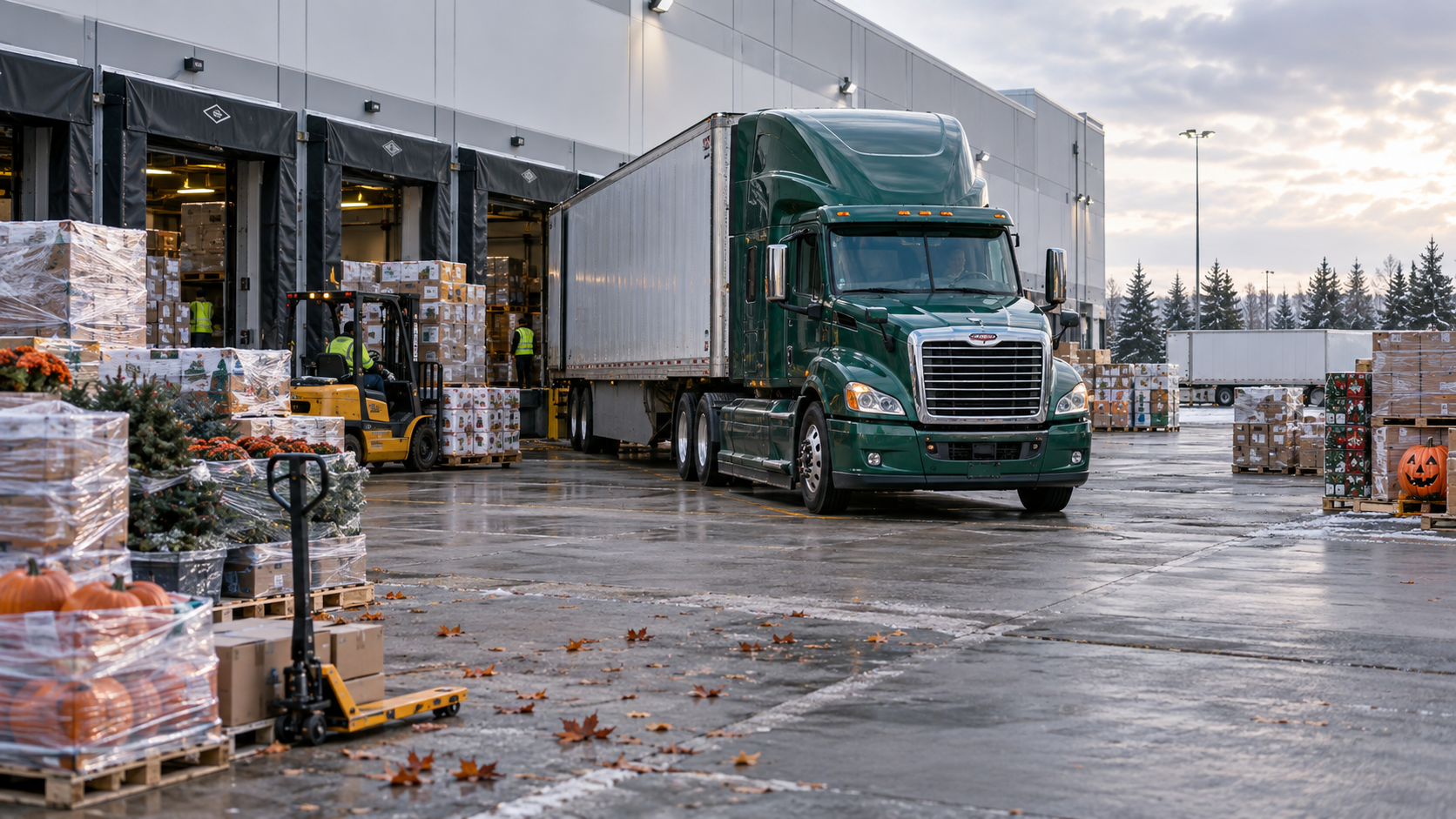
Peak season freight shipping can turn a reliable operation into a daily race against time. A promotion performs better than expected, a warehouse appointment changes, a carrier becomes unavailable, or winter weather narrows the delivery window. Suddenly, inventory meant for Halloween, Thanksgiving, Black Friday, or Christmas is at risk of arriving too late.
As part of our Ship the Season with S&S campaign, we are helping businesses prepare for that pressure with flexible peak season freight shipping services. Our team coordinates full truckload, less-than-truckload, temperature-controlled transportation, expedited shipping, drayage, intermodal services, and warehousing around your product, volume, and delivery requirements.
S&S Brokerage supports freight movement across the contiguous United States. With more than 20 years of combined industry experience, our agents understand peak-season pressure and use practical problem-solving skills to keep communication clear, identify options early, and adjust plans when conditions change.
This guide explains the challenges associated with peak season freight shipping and how businesses can protect capacity, costs, inventory and delivery deadlines.
What Is Peak Season Freight Shipping
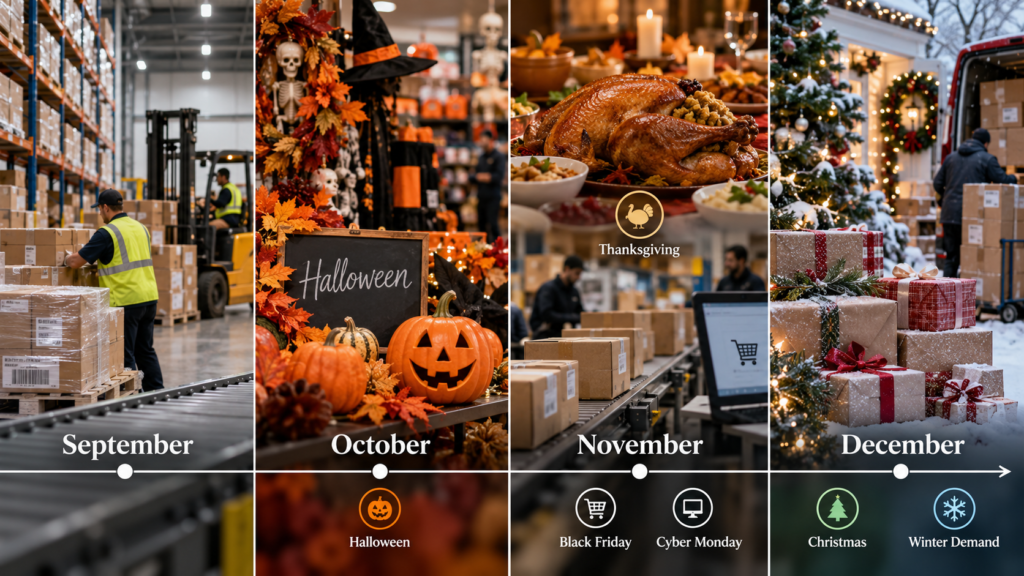
Peak season freight shipping refers to moving goods during the busiest stretch of the shipping calendar, generally from late September through the end of December. This window covers fall restocking, Halloween, Thanksgiving, Black Friday, Cyber Monday, Christmas, and the first wave of winter demand.
Freight volumes rise as retailers, manufacturers, distributors, and importers position inventory ahead of demand. Carrier capacity tightens, warehouses run closer to full, and a small delay can grow into a missed delivery window. Peak season logistics services combine early planning, the right transportation mode, and active coordination so freight has a stronger path to arrive when it is needed.
Seasonal Products We Help Businesses Move

If these products are part of your seasonal business, S&S can help build the transportation and warehousing plan to move them. Service selection depends on shipment size, product requirements, origin, destination, and deadline.
Halloween and Fall Merchandise
Candy and confectionery, costumes, party supplies, seasonal decorations, fall apparel, footwear, boots, jackets, and accessories.
Thanksgiving Food and Home Products
Packaged foods, beverages, holiday ingredients, refrigerated or frozen products, dairy, meat, produce, specialty beverages, cookware, tableware, and small appliances.
Black Friday and Holiday Gift Merchandise
Consumer electronics, televisions, computers, smartphones, gaming products, toys, board games, beauty products, fragrances, skincare gift sets, furniture, bedding, lighting, and home decor.
Christmas and Winter Essentials
Christmas decor and ornaments, seasonal lighting, gift packaging, shipping boxes, labels, retail displays, heaters, snow-removal equipment, automotive parts, tires, and other cold-weather supplies.
Why Peak Season Shipping Matters for Your Business
A missed delivery window during peak season is more than an inconvenience. It can mean lost sales, retailer penalties, strained customer relationships, and inventory that loses value after the season passes. Holiday demand is concentrated into a narrow calendar, so transportation and warehouse plans need to be ready before orders reach their highest point.
For retailers and e-commerce brands, a pallet waiting at a congested port, a driver reaching a legal limit, or a distribution center that cannot accept an appointment can make the difference between stocked shelves and missed sales. Manufacturers, importers, and distributors face the same risk when a delay interrupts production or replenishment.
The Real Cost of Getting It Wrong
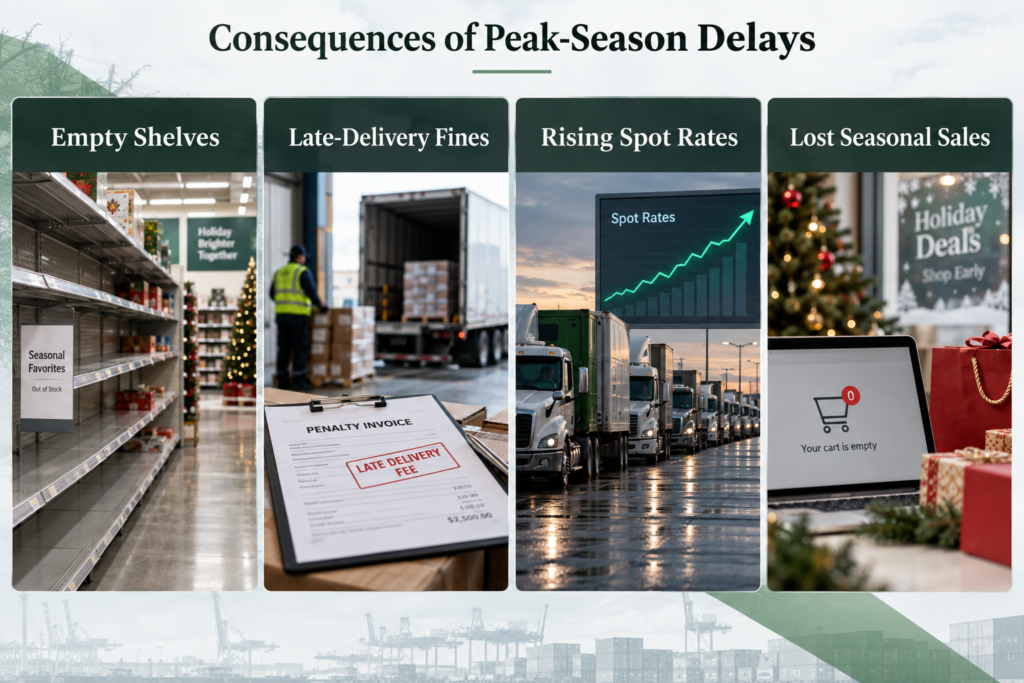
- Retailer chargebacks and fines for late or missed delivery appointments
- Lost seasonal sales that cannot be recovered after the holiday passes
- Higher spot-market rates when capacity must be booked at the last minute
- Strained relationships with distribution centers, retail partners, and customers
Key Peak Season Shipping Challenges and How to Solve Them
Limited Freight Capacity
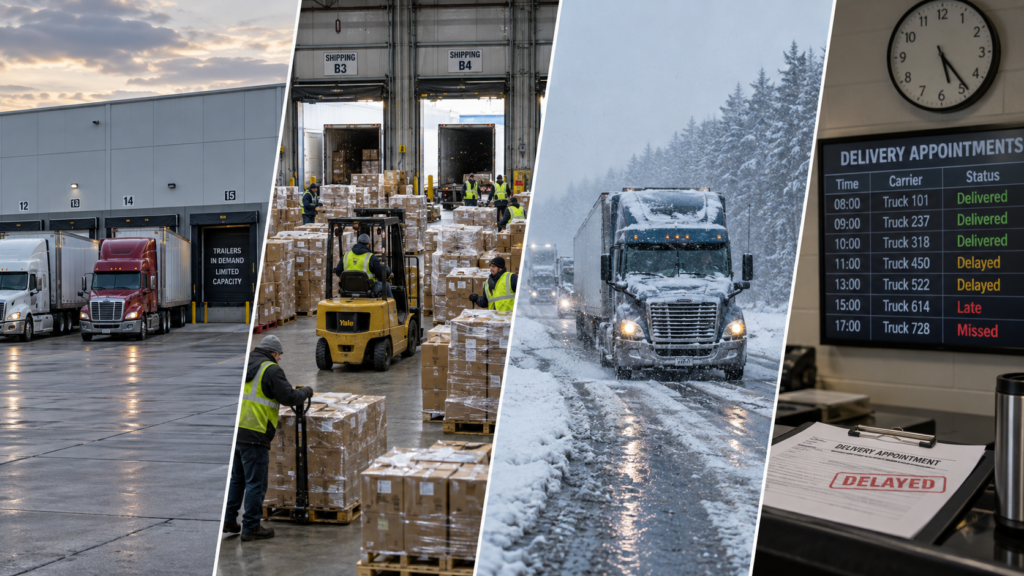
As fall shipments build toward the holiday rush, reliable trucks and appointment slots become harder to secure. Carriers often prioritize shippers who commit volume early. A 3PL peak season logistics partner with an established carrier network can help identify capacity sooner and create backup options before the market tightens.
Rising Freight Costs
Rates can rise when demand outpaces available equipment, especially around major retail deadlines. Planning ahead and choosing between FTL shipping during peak season and LTL holiday shipping based on shipment size can reduce avoidable last-minute costs and make the budget more predictable.
Warehouse and Appointment Delays
Distribution centers can become congested, and a missed appointment may push a shipment back by days. Short-term warehousing, cross-docking, and inventory staging can create a buffer closer to the final destination and reduce the need to hold freight on a trailer while a facility catches up.
Winter Weather and Route Disruptions
Snow, ice, and storms can close roads, slow mountain routes, and extend transit times. Build buffer days into the holiday supply chain plan and identify alternate lanes before the forecast becomes a disruption. Active communication helps teams make decisions while options are still available.
Compliance and Driver Availability
Federal Hours of Service rules limit driving and on-duty time for property-carrying drivers. Peak-season transit plans should account for those limits from the start. Depending on the lane and shipment, a broker may coordinate compliant team-driver, relay, or routing options with qualified carriers while keeping safety and legal requirements central to the plan.
How S&S Brokerage Supports Peak Season Freight Shipping
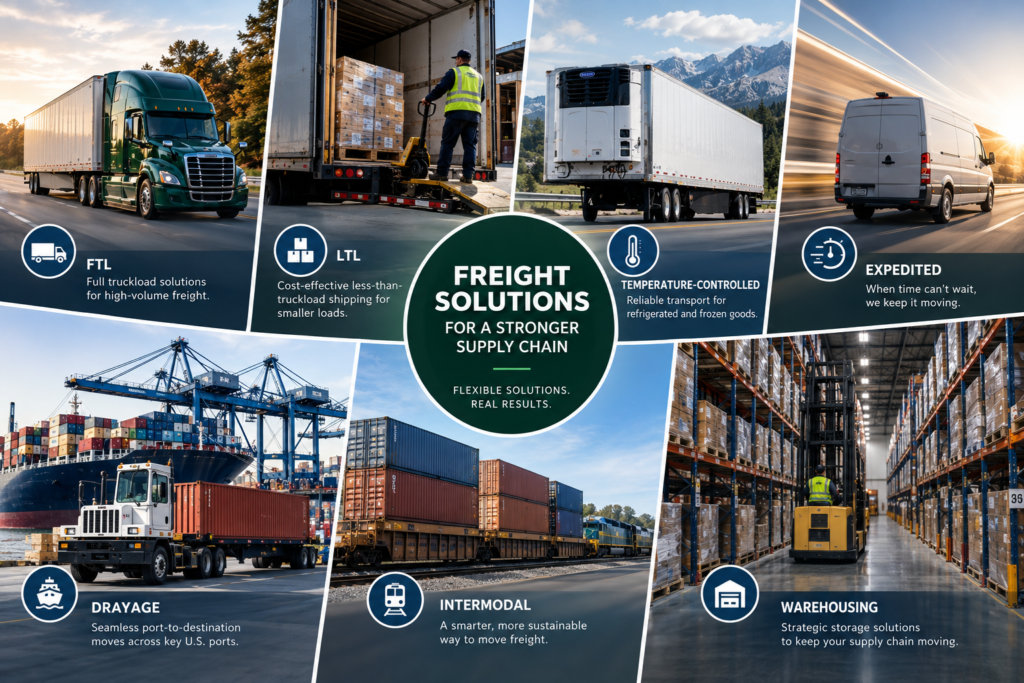
Ship the Season with S&S is built around a simple promise: whatever the season demands, we keep it moving. We start with the freight itself, then match the shipment to the mode, capacity, handling, storage, and timing it requires.
FTL Shipping During Peak Season
Full truckload service works well for high-volume or palletized freight moving from a supplier, port, or distribution center to a warehouse, store network, or fulfillment center. A dedicated trailer reduces handling and creates a direct plan for time-sensitive loads.
LTL Holiday Shipping
Less-than-truckload shipping can be a cost-effective choice when a shipment does not require a full trailer. It is useful for smaller replenishment orders, regional restocks, and businesses that need to move inventory in smaller, more frequent batches.
Temperature Controlled Freight
Food, beverage, agricultural, healthcare, and other temperature-sensitive products need suitable equipment and clear handling requirements from pickup through delivery. S&S coordinates cold-chain transportation for freight that requires refrigerated or controlled conditions.
Expedited Holiday Freight
When a delay threatens a firm deadline, expedited shipping can shorten the recovery window. It can support urgent retail replenishment, production needs, or time-sensitive orders when standard transit no longer fits the schedule.
Peak Season Warehousing
Flexible storage, cross-docking, and staging can position inventory closer to demand. S&S coordinates short- and long-term warehousing, including facilities in Edison and Harrison, New Jersey, and Chino, California, to support seasonal peaks and distribution planning.
Drayage and Intermodal Services
Imported seasonal goods may need to move from a port or rail terminal to a warehouse or final over-the-road lane. Drayage and intermodal coordination help manage those handoffs and reduce avoidable container dwell when appointments, equipment, and facilities are aligned.
Illustrative Peak Season Shipping Scenarios
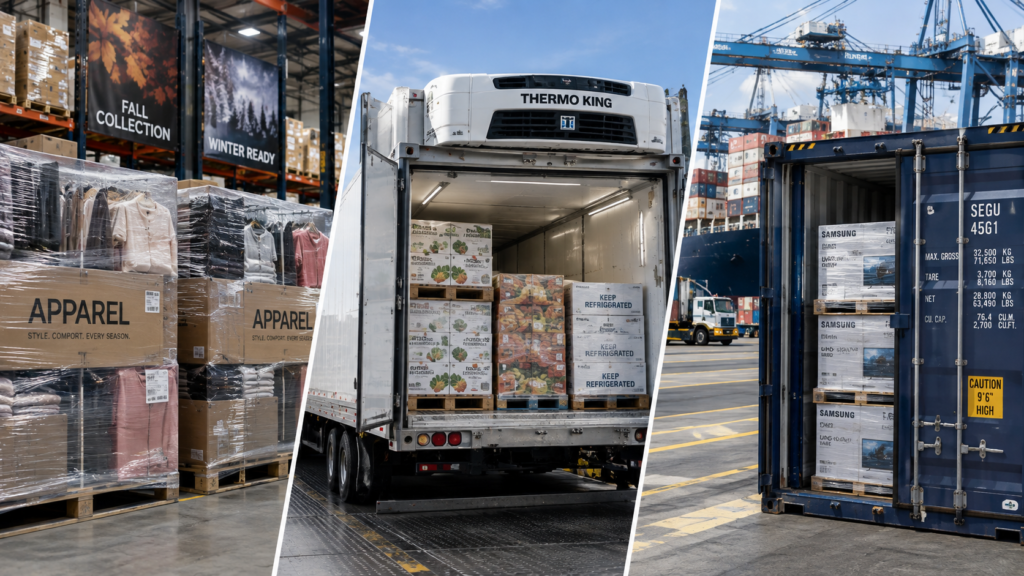
The examples below show how different services can work together. They are planning illustrations, not customer case studies or guaranteed results.
Apparel Retailer Facing a Black Friday Deadline
A regional apparel retailer sees stronger-than-expected demand and needs to replenish a mix of large and small stores. The plan could use FTL for bulk moves into major distribution points and LTL for smaller regional deliveries, with appointment coordination and buffer time built around retail receiving windows.
Food Brand Shipping Holiday Orders
A specialty food company needs to move refrigerated gift products to multiple distribution centers. The plan could pair temperature-controlled equipment with documented product requirements, appointment management, shipment visibility, and backup capacity for weather-sensitive lanes.
Electronics Importer Managing Port Congestion
An electronics importer has containers arriving near a major retail deadline. Coordinated drayage could move the containers from the terminal, while short-term warehousing provides a staging point to sort inventory and plan onward FTL or LTL distribution.
Why Choose S&S Brokerage for Peak Season Shipping

S&S Brokerage is a logistics company with operations in New Jersey and Texas and services that support shippers across the United States. Our team brings more than 20 years of combined industry experience to freight planning and execution.
Many of our agents have worked through demanding peak seasons and understand how quickly a routine shipment can become urgent. They combine responsive communication with practical problem-solving: confirming requirements, checking realistic options, coordinating with carriers and facilities, and keeping the shipper informed when the plan needs to change.
S&S supports over-the-road transportation, including FTL, LTL, drayage, and flatbed, together with warehouse and intermodal coordination. You receive a shipping plan shaped around the product, lane, deadline, and handling requirements rather than a one-size-fits-all package.
Actionable Tips to Prepare Your Supply Chain
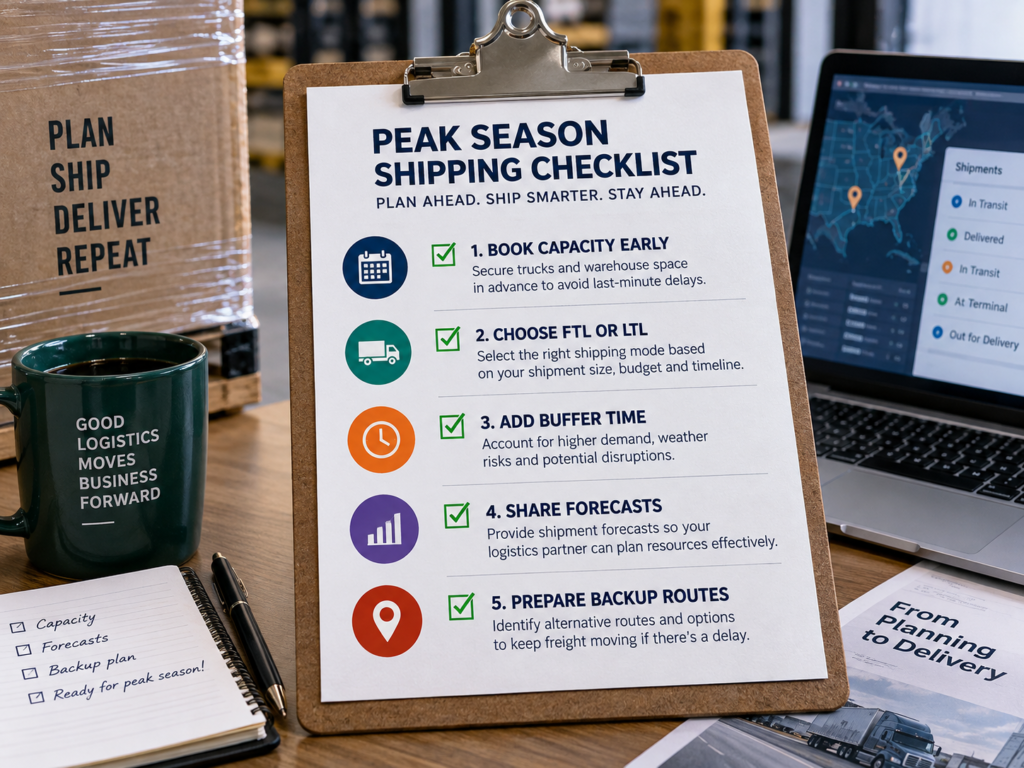
- Book capacity early. Start planning major seasonal shipments six to eight weeks before critical delivery dates when possible.
- Match the mode to the freight. Use FTL for larger or dedicated loads and LTL for smaller, flexible replenishment shipments.
- Build in buffer time. Add realistic time around Thanksgiving, Black Friday, Christmas, winter weather, and strict receiving appointments.
- Share accurate forecasts. Give your logistics partner shipment volumes, product requirements, origins, destinations, and target dates as early as possible.
- Use warehousing strategically. Stage inventory closer to the customer when storage, cross-docking, or appointment pressure creates risk.
- Create backup options. Review weather-sensitive lanes, alternate routing, and escalation contacts before a disruption happens.
Conclusion
Peak season freight shipping pressure is predictable, even when the exact disruption is not. Capacity tightens, costs can rise, warehouses become congested, and winter weather narrows delivery windows. Businesses that plan early and work with a responsive logistics partner are better positioned to protect inventory and customer commitments.
The S&S Brokerage team brings more than 20 years of combined industry experience to these busy months. From fall merchandise and Halloween candy to Thanksgiving food products, Christmas gifts, and winter essentials, we can help coordinate the transportation and warehousing your seasonal supply chain requires.
Whatever the season demands, we keep it moving. Reach out to S&S Brokerage today so we can review your freight, identify potential pressure points, and build a peak-season shipping plan before capacity gets tight.

Frequently Asked Questions
When does peak season freight shipping typically start?
Peak-season freight generally builds from late September and intensifies through Halloween, Thanksgiving, Black Friday, Cyber Monday, Christmas, and the start of winter. Timing varies by product, lane, and customer deadline.
How far in advance should I book peak season freight
For major seasonal shipments, begin planning six to eight weeks ahead when possible. Earlier visibility gives the logistics team more time to check equipment, appointments, rates, warehousing, and backup options.
What is the difference between FTL and LTL during peak season
FTL dedicates a trailer to one shipment and is typically suited to larger or time-sensitive loads. LTL shares trailer space with other shipments and can be more cost-effective for smaller loads, though transit and handling patterns differ.
Can S&S coordinate temperature-controlled holiday freight
Yes. S&S coordinates temperature-controlled transportation for products that require suitable refrigerated or controlled conditions. Share the commodity, temperature range, packaging, and appointment requirements when requesting a quote.
Can S&S help with peak season warehousing
Yes. S&S offers flexible warehouse support for seasonal inventory, including storage, staging, and shipping integration. Availability and the right facility depend on your product, volume, timing, and distribution plan.
How can I reduce freight delays during the holidays
Plan capacity early, provide accurate shipment details, select the right mode, build buffer time around critical dates, monitor weather-sensitive lanes, and agree on backup options with your logistics partner.