



A practical recovery guide for shippers who need replacement truck capacity without turning one disruption into a second problem.
Published: September 23, 2026 | Updated: September 23, 2026
Quick Answer: What to Do NowIf your carrier cancels before pickup, document the cancellation, gather your complete load details, and confirm how much flexibility you have on pickup and delivery. If your existing carrier network cannot cover the load, an emergency freight broker can help expand the search for verified replacement capacity while you protect the delivery appointment. |
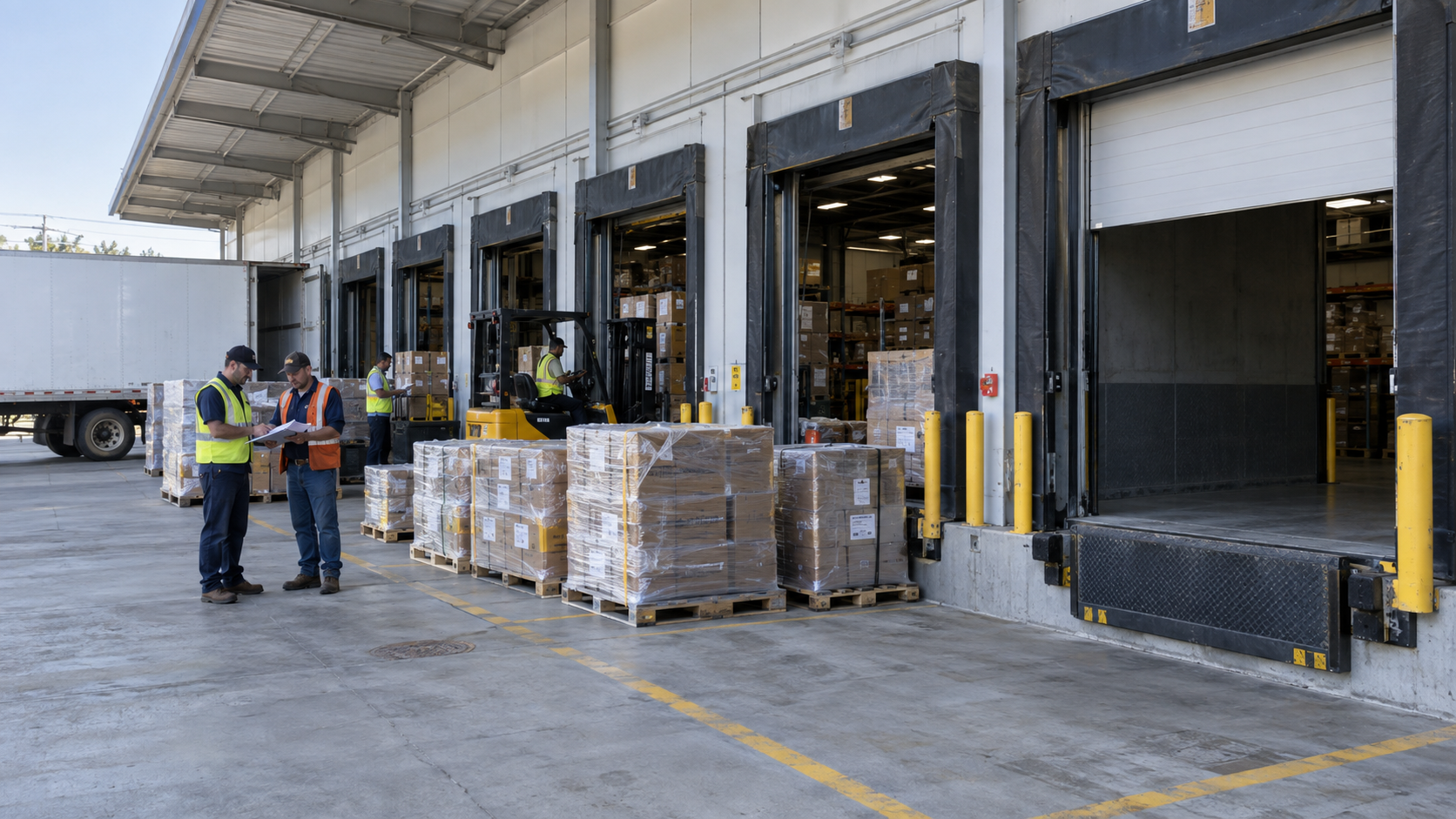
Your freight is packed, palletized, and staged at the dock. The pickup was confirmed. Then the call comes: the scheduled truck is not coming. Maybe the equipment broke down. Maybe a prior load ran late. Maybe driver hours, equipment availability, or another operational issue changed the plan. Whatever the reason, the problem is now yours to solve: freight is waiting, a delivery appointment may be at risk, and the recovery window is shrinking.
During peak season, that pressure can be even harder to manage because capacity, rates, weather, warehouse schedules, and holiday deadlines can change quickly. Our broader peak-season freight shipping guide explains how those pressures build across Q4. This article focuses on one specific emergency: what to do when a carrier cancels before pickup.
The goal is not simply to find the first available truck. It is to recover the shipment with the right equipment, verified carrier information, clear communication, and a plan that still works for the receiver.

Why Carrier Cancellations Become Harder to Recover From
Carrier cancellations can happen in any market. Common causes include equipment breakdowns, hours-of-service constraints, delayed prior loads, missed dispatches, sudden driver availability issues, weather, or capacity that changed after the load was originally accepted.
What changes during a tighter or volatile freight market is the recovery process. Replacement capacity can be more expensive or harder to secure on certain lanes. In its September 15, 2026 market update, DAT Freight & Analytics reported that August spot linehaul rates fell sharply from July, but still remained more than 30% higher than August 2025 across dry van, reefer, and flatbed equipment. That is a useful reminder that freight conditions can shift quickly even when overall volumes are softer.
The practical takeaway is simple: do not assume that the replacement truck will be available at the same rate, on the same timeline, or from the same pool of carriers as the original booking. The closer you are to pickup, the fewer options you may have.
Carrier Canceled? Take These 6 Steps First
- Confirm the cancellation in writing. Get an email or text confirming that the carrier cannot cover the load. Clear documentation helps if the cancellation affects appointments, warehouse labor, or later billing discussions.
- Build one complete load packet. Have the origin, destination, facility contacts, commodity, packaging, weight, dimensions, equipment type, pickup window, delivery appointment, reference numbers, and any special handling requirements ready. The cleaner the information, the faster replacement sourcing can begin.
- Call the receiver before the appointment becomes a failure. Ask how much flexibility exists. Can the appointment move by an hour? Several hours? To the following day? A small amount of flexibility can materially expand your recovery options.
- Source replacement capacity through trusted channels. Start with carriers you already know. If your network is thin on that lane, contact a freight broker that can broaden the search. Public load boards may also be useful, but unfamiliar responses require careful vetting.
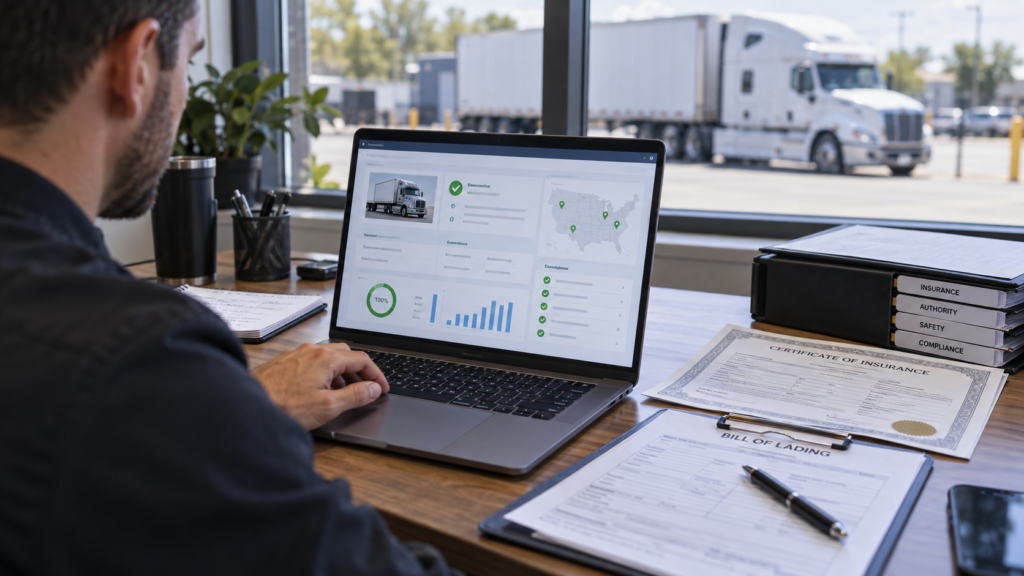
- Verify the replacement carrier. Urgency should shorten your sourcing timeline, not your verification process. Confirm identity and contact information, review operating authority and insurance information through current FMCSA resources, and make sure the company you are speaking with matches the company that will physically arrive for the load.
- Reconfirm pickup and delivery in writing. Once replacement capacity is secured, document the driver or dispatch contact, equipment details, pickup window, delivery appointment, and any special instructions. Then keep the shipper, receiver, and internal team aligned as the load moves.
FMCSA specifically recommends confirming broker and carrier phone numbers through SAFER, scrutinizing documents because even insurance certificates can be fraudulent, and checking that the truck and carrier information at pickup matches the company you contracted with. Review the agency’s broker and carrier fraud prevention guidance before your team is dealing with a real emergency.
What a Last-Minute Carrier Cancellation Can Cost Your Operation
A canceled truck is not just a transportation inconvenience. The disruption can affect several parts of the shipment at once:
- A delivery appointment may need to be rescheduled, especially at distribution centers with tightly managed receiving windows.
- Warehouse labor may already be scheduled around the original pickup, creating wasted time or a second handling event.
- Production, store replenishment, ecommerce inventory, or a customer order can be delayed if the freight is tied to a fixed deadline.
- Replacement capacity may cost more when the lane is tight, the equipment is specialized, or the pickup window is extremely short.
- If the shipment involves a port, container, or terminal, an extended delay can create additional storage, detention, or demurrage exposure depending on the situation.
- Your customer-service team may need to manage expectations if the original delivery commitment is no longer realistic.
None of these outcomes are automatic. That is why the first objective is not panic. It is organized recovery: confirm the facts, understand the deadline, widen the capacity search, verify the replacement carrier, and communicate early.
Your Replacement Capacity Options: What Are the Trade-Offs?
Option |
Best Fit |
Main Trade-Off |
| Use your existing carrier network | You already have trusted carriers that regularly serve the lane | Fastest when capacity exists, but your options are limited to the relationships you already have |
| Use an emergency freight broker | Your own network cannot cover the load or you need a broader search quickly | The broker coordinates sourcing and communication, but rate and availability still depend on the actual market |
| Post to a load board | Your team has the tools and time to source and verify unfamiliar carriers | You may receive more options, but vetting under time pressure becomes critical |
| Wait for the original carrier | Pickup and delivery have meaningful flexibility and the carrier has a credible recovery plan | You risk losing more time if the revised plan fails again |
If the load is a full truckload and you are unsure what information should already be documented before booking, S&S Brokerage also has a step-by-step FTL booking checklist that can help standardize your process before an emergency happens.
How This Plays Out in the Real World
A June 2025 discussion in r/FreightBrokers shows why the amount of notice matters. A commenter identifying as a shipper said that when a carrier reports a problem several days ahead, their planners can usually cancel the tender and find another carrier. The bigger issue is a day-of cancellation, when the load may end up rolling to the next day because there is less time to recover.
That is anecdotal, not market-wide data, but the operational lesson is useful: a cancellation with lead time is primarily a sourcing problem. A same-day cancellation is a recovery problem. The shipper has less room to compare options, but the need to verify the replacement carrier does not disappear.
From the S&S Brokerage Operations DeskWhen a truck falls off a load, the fastest way to lose more time is to begin replacement sourcing with incomplete information. Have the origin, destination, equipment, commodity, weight, pickup window, delivery appointment, and special requirements ready before the first recovery call. A broker or carrier can only act as quickly as the load details allow. |
When an Emergency Freight Broker Makes Sense

If your own carrier list can cover the load, use the relationship you already trust. A freight broker becomes particularly useful when your network does not have capacity in that lane, the equipment requirement is specialized, the pickup window is shrinking, or you need someone to coordinate the recovery while your team handles the customer and facility communication.
S&S Brokerage supports shippers with over-the-road freight solutions including FTL, dry van, reefer, flatbed, expedited, and other specialized transportation options. In a cancellation scenario, the practical role of the S&S Brokerage team is to understand the load, check available options, coordinate with the selected carrier, and keep communication moving from replacement pickup through delivery.
No broker can guarantee that a truck will be available at a specific rate or within a specific number of minutes before reviewing the actual shipment. Lane, equipment, timing, origin market, destination, weather, and current capacity all matter. A credible recovery plan should be based on the load in front of you, not a blanket promise.
If your carrier just canceled and your own network cannot recover the load, send S&S Brokerage your shipment details so the team can review the lane and available options.
How to Reduce the Risk Before the Next Load
- Build backup relationships before peak season. Do not wait until a cancellation happens to identify a second carrier or brokerage option.
- Confirm important loads in writing. Pickup date, appointment time, equipment type, delivery requirements, and special handling details should not live only in a phone call.
- Reconfirm time-sensitive pickups. For critical freight, a proactive confirmation before pickup can surface problems earlier.
- Ask about capacity confidence, not just price. The cheapest quote is not useful if the truck is unlikely to show.
- Create standard load templates. Keep your common freight specifications ready so a replacement tender can be built in minutes instead of from scratch.
- Build reasonable buffers where the supply chain allows it. A small amount of time between pickup and a hard delivery appointment can create more recovery options.
- Plan for peak-season volatility. If the shipment is moving during the busiest months of the year, review your broader peak-season plan before the load becomes urgent.
For a broader Q4 planning framework, read Peak Season Freight Shipping Services That Avoid Delays.

Replacement Carrier Verification Checklist
When the clock is moving, use a checklist instead of relying on memory:
- Confirm the legal company name, USDOT number, and MC number where applicable.
- Confirm the phone number and company information against FMCSA records such as SAFER.
- Review current operating authority and insurance information through FMCSA’s current public records.
- Confirm the equipment type actually matches the freight requirements.
- Get the driver or dispatch contact and truck/trailer identifying information before pickup when appropriate.
- Make sure the company arriving at the shipper matches the company that was contracted.
- Treat mismatched contact information, requests to misrepresent the carrier identity, suspicious documentation, or unusual payment/rate behavior as reasons to stop and verify.
- Confirm pickup and delivery terms in writing.
FMCSA’s fraud and identity-theft guidance specifically warns against mismatched contact information, fraudulent documents, identity misrepresentation, blind-load concerns, and rates that far exceed the current market rate.
A Carrier Cancellation Is a Problem. Your Recovery Process Should Not Be.
A canceled carrier can disrupt a shipment quickly, especially when pickup is hours away instead of days away. The shippers who recover most effectively are not necessarily the ones with the biggest carrier list. They are the ones who have complete load information, understand their appointment flexibility, know how to verify replacement capacity, and have a backup relationship ready before the emergency begins.
Move quickly, but do not let urgency override verification. Communicate with the receiver early. Compare realistic options. And if your own carrier network cannot cover the lane, bring in additional support before the recovery window disappears.
Need replacement capacity? Send S&S Brokerage your origin, destination, equipment type, commodity, weight, pickup window, and delivery appointment details. Request a freight quote or contact the team at 201-259-9223 or inquiry@sandsbrokerageinc.com.
Frequently Asked Questions
1) What does an emergency freight broker do after a carrier cancels?
An emergency freight broker helps source replacement capacity, coordinate carrier verification, confirm pickup requirements, and support communication while the shipment is being recovered.
2) How fast can an emergency freight broker find a replacement truck?
There is no universal turnaround time. Availability depends on the lane, equipment, pickup window, current truck supply, and delivery requirements. A broker may be able to widen the search faster than a shipper starting from scratch, but replacement capacity should not be promised before the load details are reviewed.
3) What information should I have ready after a carrier cancels?
At minimum, have the origin, destination, facility contacts, commodity, weight, dimensions, required equipment, pickup window, delivery appointment, and any special handling requirements ready. Complete information reduces back-and-forth and helps replacement sourcing begin faster.
4) How do I verify a replacement carrier?
Use FMCSA resources to confirm the carrier’s identity, contact information, authority, and insurance status as applicable. Compare the information you receive with official records, and verify that the truck and company arriving for pickup match the company you contracted.
5) Will last-minute replacement capacity cost more?
It can, but not always. The rate depends on the lane, equipment, distance, market balance, pickup timing, fuel conditions, and how many qualified trucks are available. Treat any rate as load-specific rather than assuming an emergency premium will always apply.
6) What should I do if the cancellation happens the same day as pickup?
Contact the receiver immediately to understand appointment flexibility, assemble the complete load packet, and begin sourcing verified replacement capacity right away. Keep communication centralized so the facility, customer, and internal team are working from the same information.
7) Should I wait for the original carrier to recover the load?
Only if the carrier has a credible recovery plan and your pickup and delivery windows can absorb the delay. If the delivery appointment is at risk, it is usually better to evaluate replacement options at the same time rather than losing the remaining recovery window.